Compare · Beijing or Shanghai
By the ChinaTravel.fly field desk 7 min read Updated Nov 2026
- Days
- 5 vs 3–4Beijing needs two more, for the palaces and one Wall day
- Best months
- Apr–May · Sep–OctBeijing is dry and bright; Shanghai is wet in June
- Cost, per day
- ¥850–1,200mid-range; Beijing is the cheaper of the two
- Rail between
- 4 h 18–6 hBeijing South to Shanghai Hongqiao, ¥553 second class
- First impression
- Scale vs speedBeijing is monumental, Shanghai is immediate
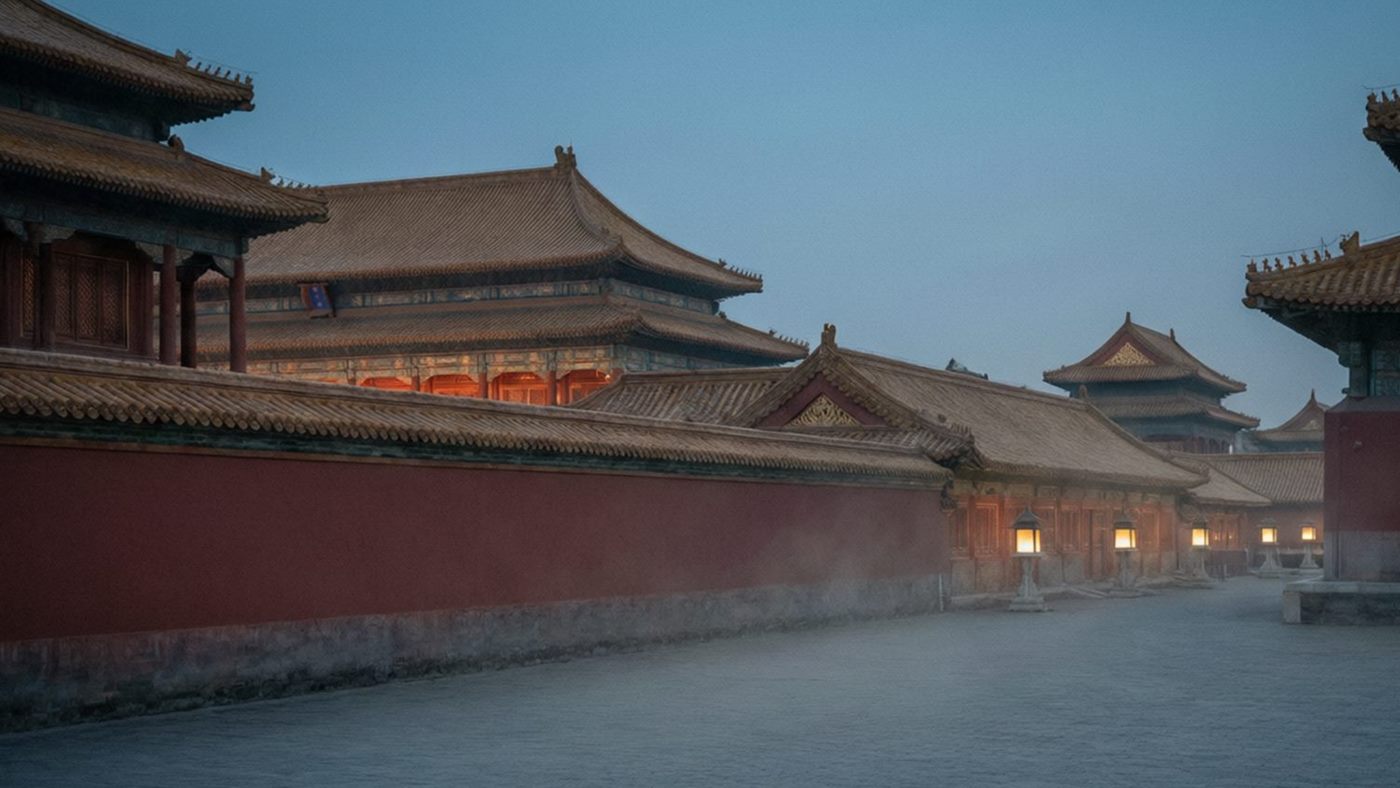
Beijing is a city designed to be seen from above; Shanghai is a city designed to be walked at street level. That single difference sets the ticket prices, the daily distances, the shape of an evening and the sort of traveller who leaves each place satisfied.
What each city is actually like
Beijing has been the capital for most of the last seven centuries and still arranges itself around that fact: a north–south axis, a palace at the centre, ring roads like ripples from a dropped stone. The scale is monumental and slightly impersonal. You spend the day crossing courtyards wider than they need to be, then eat in a courtyard restaurant near the Drum Tower with the bicycles going past the window.
Shanghai was a treaty port with a fishing village attached and has never pretended otherwise. The Bund's stone banks face a skyline that did not exist in 1990; the plane-shaded streets of the old French Concession hold coffee, dumplings and estate agents in equal measure; the whole city runs on a commercial impatience that Beijing finds vulgar. It is the easier city to like and the harder one to learn from.
The comparison, in numbers
| Beijing | Shanghai | |
|---|---|---|
| Time needed | 5 days, one of them on the Wall | 3–4 days, one of them in Suzhou |
| Cost, per day | ¥850–1,100 a day | ¥900–1,200 a day |
| Best months | April–May, September–October | March–May, October–November |
| Food | Duck, zhajiangmian, copper-pot lamb | Xiaolongbao, scallion noodles, real coffee |
| Crowds | Palace by timed slot; the Wall thins them out | The Bund at 8pm is a wall of people |
| Walking | Flat and vast: 10–15 km | Flat and compact: 8–12 km |
| Who it suits | First trips, imperial history, teenagers | Design, food, short breaks, second trips |
The 1,318 km between them is the busiest rail corridor in the country: 4 h 18 on the fastest G train, ¥553 for a second-class seat and ¥933 for first. Flying saves little once you count the transfers, because PEK and PKX sit 25 and 46 km out of Beijing, and PVG and SHA 30 and 13 km out of Shanghai.
Beijing tells you what China was. Shanghai shows you what it decided to become. Neither is the country on its own. Field desk · Beijing South, platform 12
Where the comparison breaks down
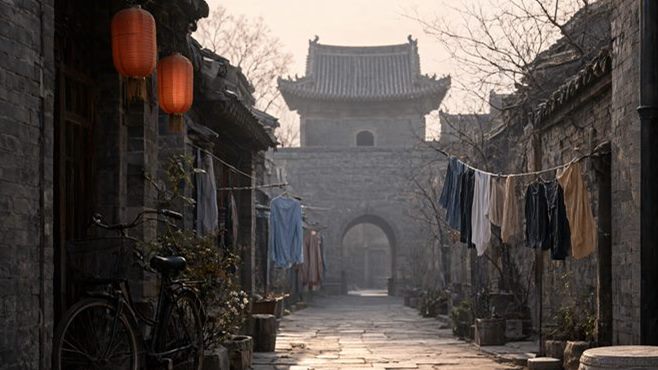
The sharpest difference is not in the cities but outside them. Beijing's best day is a 75-minute drive to the Wall at Mutianyu, or two hours to Jinshanling, and it is the only day trip in China that changes your sense of the country. Shanghai's best day is 25 minutes away in Suzhou: gardens, canals, ¥40 each way, the same country at half the speed.
The second break is weather. April in Beijing is dry, bright and about 21°C; April in Shanghai is warmer, wetter and halfway to the plum rain that flattens June. July in Beijing is 35°C and full of domestic tourists; August in Shanghai adds typhoons to the heat.
If you only have six days
Six days splits badly. Two and two leaves the Forbidden City at a jog and the Bund at peak crowd, with a travel morning gone. Take four nights in Beijing including one Wall day, then the 08:00 train, which puts you on the Bund by two in the afternoon, and two nights in Shanghai. You see less of Shanghai and remember more of Beijing, which is the right trade on a first visit.
The booking that decides the trip
Forbidden City tickets are released seven days ahead and go within minutes at weekends. The palace closes on Mondays. Book the 08:30 entry and be at the Meridian Gate by eight, because the first hour on the central axis is the only hour it feels like a palace rather than a platform.
In Shanghai the museum is free but needs a timed slot, also seven days out, also shut on Mondays. Plan the travel leg for a Monday and you lose nothing.
The verdict
Beijing wins the first trip, and it is not close. The palace, the hutongs and one long day on the Wall explain how China governed itself for six hundred years, and the food — duck, noodles, copper-pot lamb — is stranger and better than its reputation. Give it five days and take the train east at the end.
Shanghai wins for photographers. Blue hour on the Bund, the art deco lanes of the former French Concession and Suzhou 25 minutes away give you three separate bodies of work in four days, with the best coffee in the country to keep you upright between them.
Food-led, the answer flips east: Shanghai's range runs from ¥12 shengjian bao at breakfast to a ¥600 tasting menu, while Beijing's most famous dish is a single bird. Families should still take Beijing, because the Wall is the one sight a twelve-year-old will describe to someone at twenty.
Questions travellers ask
- Can you do Beijing and Shanghai in one week?
- Yes, but the travel day eats one of them. Four nights in Beijing and two in Shanghai is the shape that works: the 08:00 train takes 4 h 18 and puts you on the Bund by two. Three nights each is worse, because both cities punish a rushed first morning.
- Is Beijing or Shanghai better for a first trip to China?
- Beijing, for most people. The Forbidden City, the hutongs and the Wall are the three things that explain imperial China, and all of them sit within two hours of the centre. Shanghai is easier to like and harder to learn from, which makes it a better second stop.