Routes that work
An itinerary is mostly a transport problem wearing a hat. These routes are built around what the rail network does well, with the awkward legs named honestly and the days you should not move at all marked as such.
The routes
Pick a length, then a shape
Every route lists the rail legs, the nights, and the one place it is worth paying more to stay longer.
 Entry
8 min
The 240-hour question
Eight dated days from PEK to PVG, two rail legs, and the entry rule that quietly forbids the whole idea.
 Silk Road
9 min
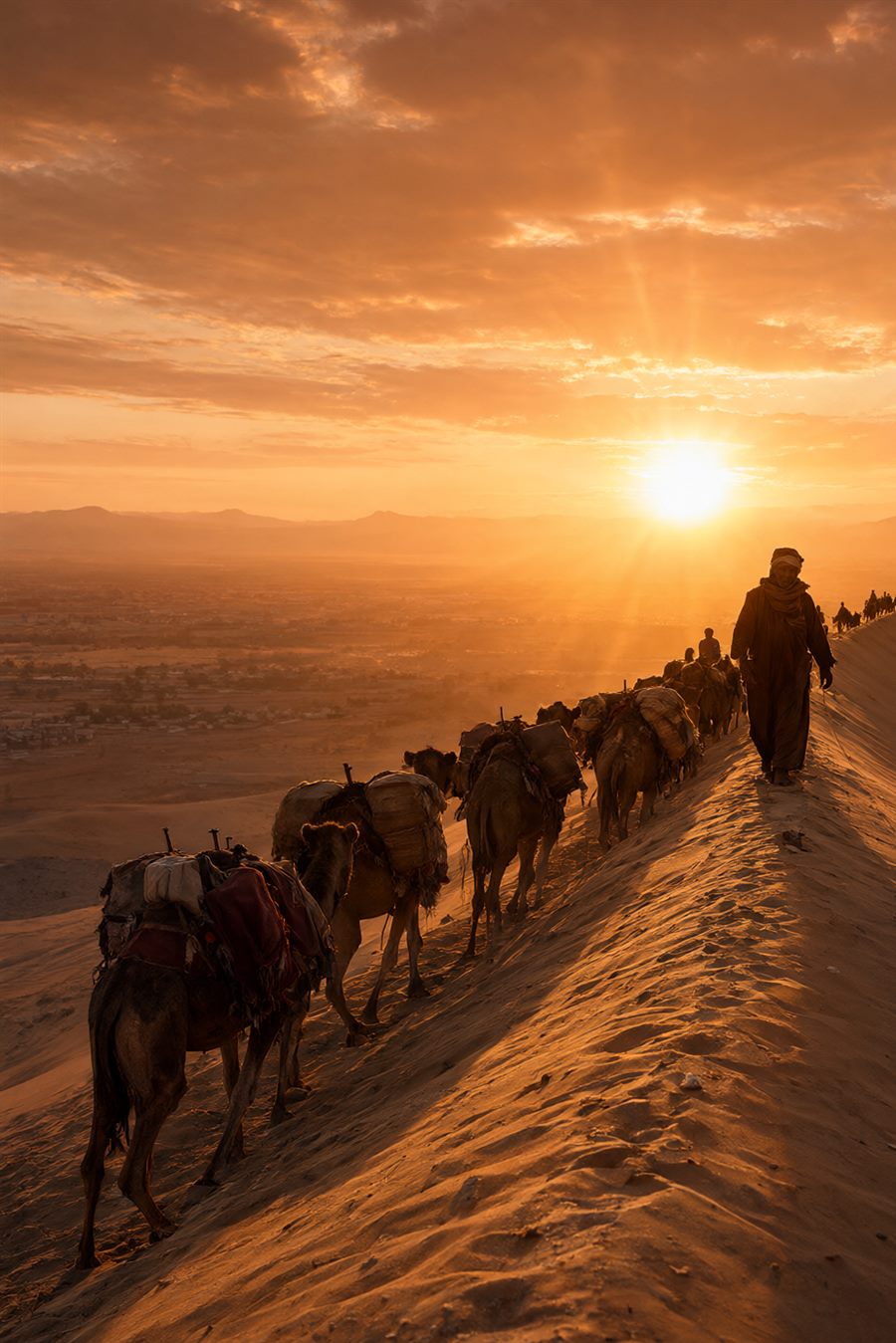
Silk Road, twelve days
Four Gansu stops on one rail line, the desert at the end of it, and the Lhasa extension that needs a permit first.
 Classic
9 min
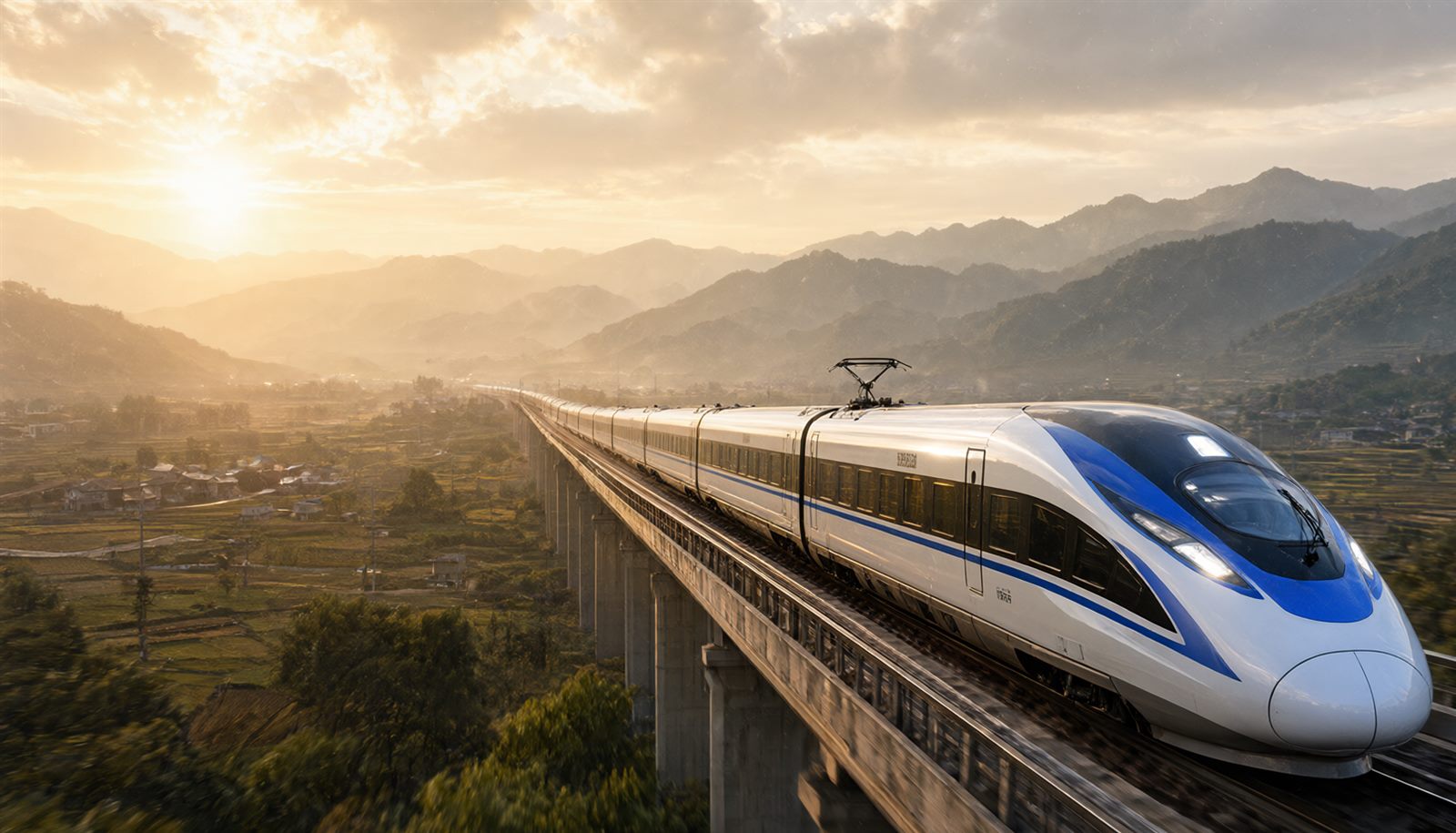
Fourteen days, classic
Wall, army, pandas, karst and the delta in thirteen nights — the loop most people mean when they say two weeks.
 Imperial
8 min
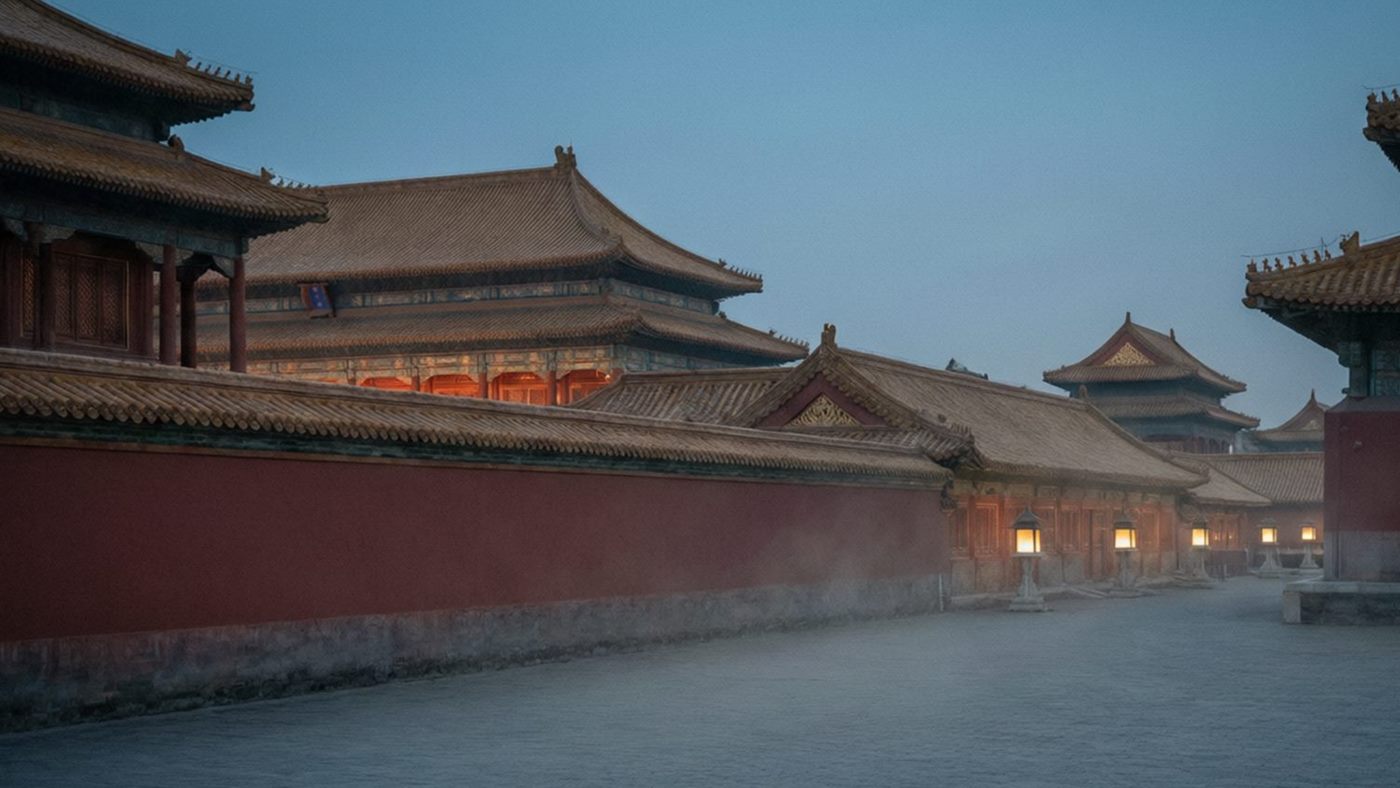
Ten days, imperial
Four nights in Beijing with one on the wall, three in Xi'an, three in Shanghai, and the two rail legs between them.
 First trip
7 min
Seven days, first trip
Three cities in six nights, two rail legs and one wall morning — the seven-day version, timed and costed honestly.
 Yunnan
8 min
Yunnan, ten days
Kunming to Shangri-La by bus and slow rail: terraces, old towns and a plateau, with one long transfer named honestly.
 Family
8 min
Ten days, with kids
Three cities, three nights each, one sight a morning and the afternoon free: China at the pace a family can hold.
 Winter
7 min
Harbin, five days
Ice, snow and a five-hour road: five days in Harbin, with the cold treated as equipment rather than weather.