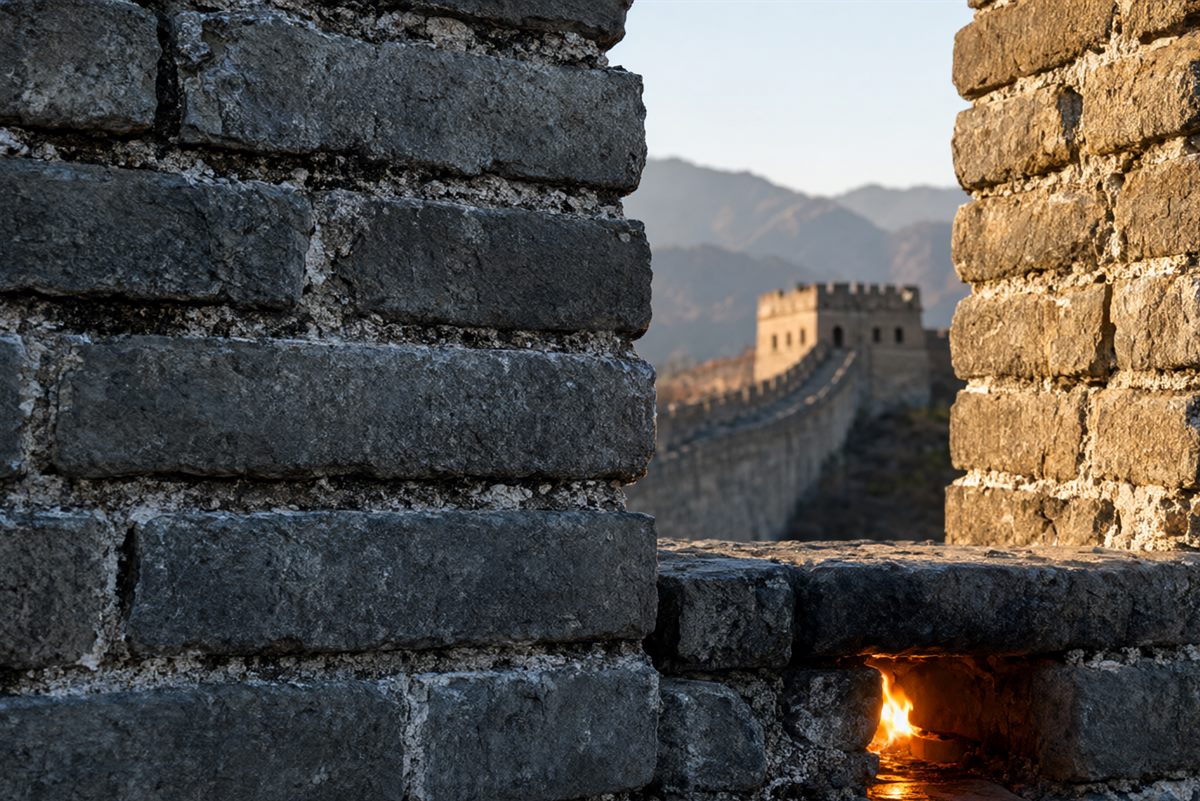
Three thousand years of walls, eight hundred of capital, and one grid so obsessive that you can navigate the old city by remembering which gate you entered. Beijing rewards a week far more than a weekend — and rewards getting off the central axis almost immediately.
北京 BěijīngBeijing municipality · North ChinaIdeal 4–6 daysWindow Sep – mid Nov
Population
21.9 millionthe urban core alone is larger than most countries
Metro
27 lines¥3–9 by distance; face-scan or QR at the gate
Airports
PEK & PKX25 km north-east and 46 km south — pick by district
Forbidden City
¥40–60closed Mondays; tickets released 7 days out
The Wall
6 sectionsfrom 45 minutes to 2 hours out of the city
Chapter 01 — Orientation
The axis, the rings, and the maze behind them
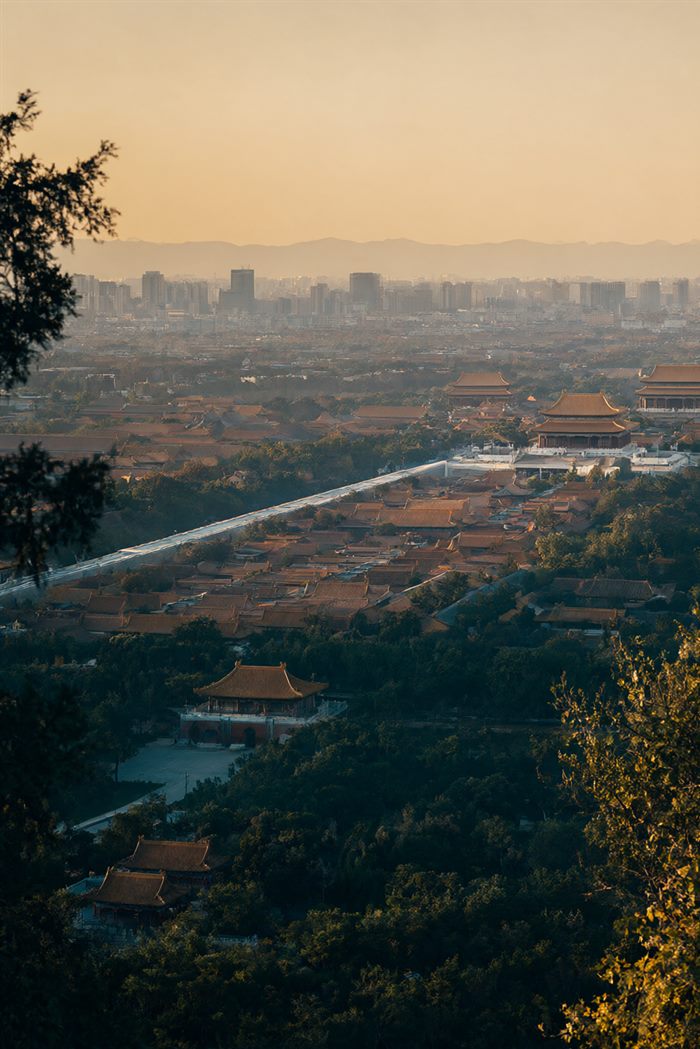
Everything in the old city is measured from a single north–south line that runs from the Bell Tower down through the Forbidden City and out to Yongdingmen. For six hundred years the rule was that nothing could stand taller than a palace roof, so the whole centre is still a sea of grey tiles with the axis cutting straight through it. Climb anything — Jingshan, the north tower of the Bell Tower, a rooftop bar near Qianmen — and the plan of the city becomes obvious in about thirty seconds.
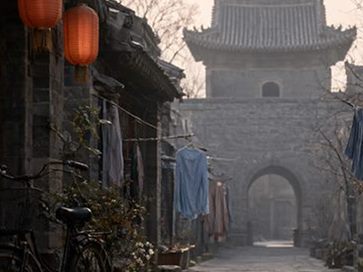
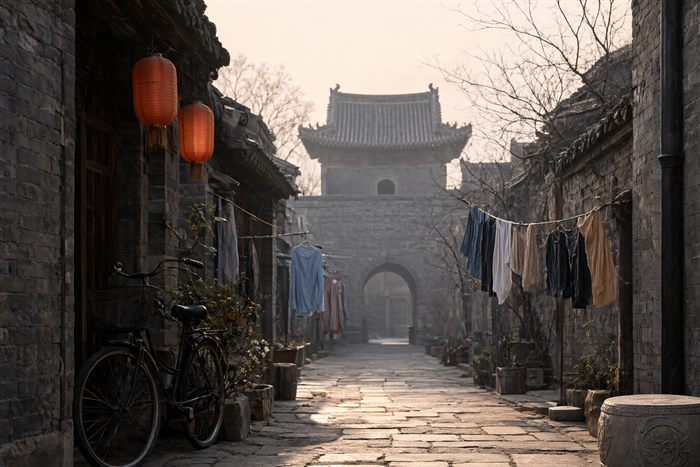
The second ring is where travellers go wrong. The hutongs inside it are not the picturesque alleys of the guidebooks; most have been rebuilt, widened, or turned into a souvenir lane with a coffee machine in a courtyard house. The ones still worth walking are east of the Drum Tower and north of Yonghegong — Doufang Hu Tong, Bishan Hu Tong, the western half of Wudaoying — where the residents still queue for the morning steamed buns and someone is always playing table tennis against a wall.
Book the two things that sell out — the Forbidden City and one wall day — and let the rest be weather-dependent. Beijing in late October is the best city in Asia for a walk: dry, wind-scoured, blue to the horizon, and the ginkgoes on the south side of the temples gone solid gold.
Stay inside the second ring if you can. Dongcheng near Yonghegong puts you between the hutongs and the palace; Xicheng near Jishuitan is quieter and cheaper. The metro is fast and cheap but stations are vast, so budget ten minutes of walking per transfer.
The Wall where it stops being a monumentTemple of Heaven, 6:40amNorth of Yonghegong
Chapter 02 — Six days
A working itinerary
Day 1 PM
Land, then do nothing ambitious
Airport Express to Dongzhimen, check in, and walk the Bell and Drum Towers at dusk. Both are short climbs with the whole grey roof-sea spreading out from under you. Eat noodles near the south gate rather than a restaurant you planned.
Day 2 AM
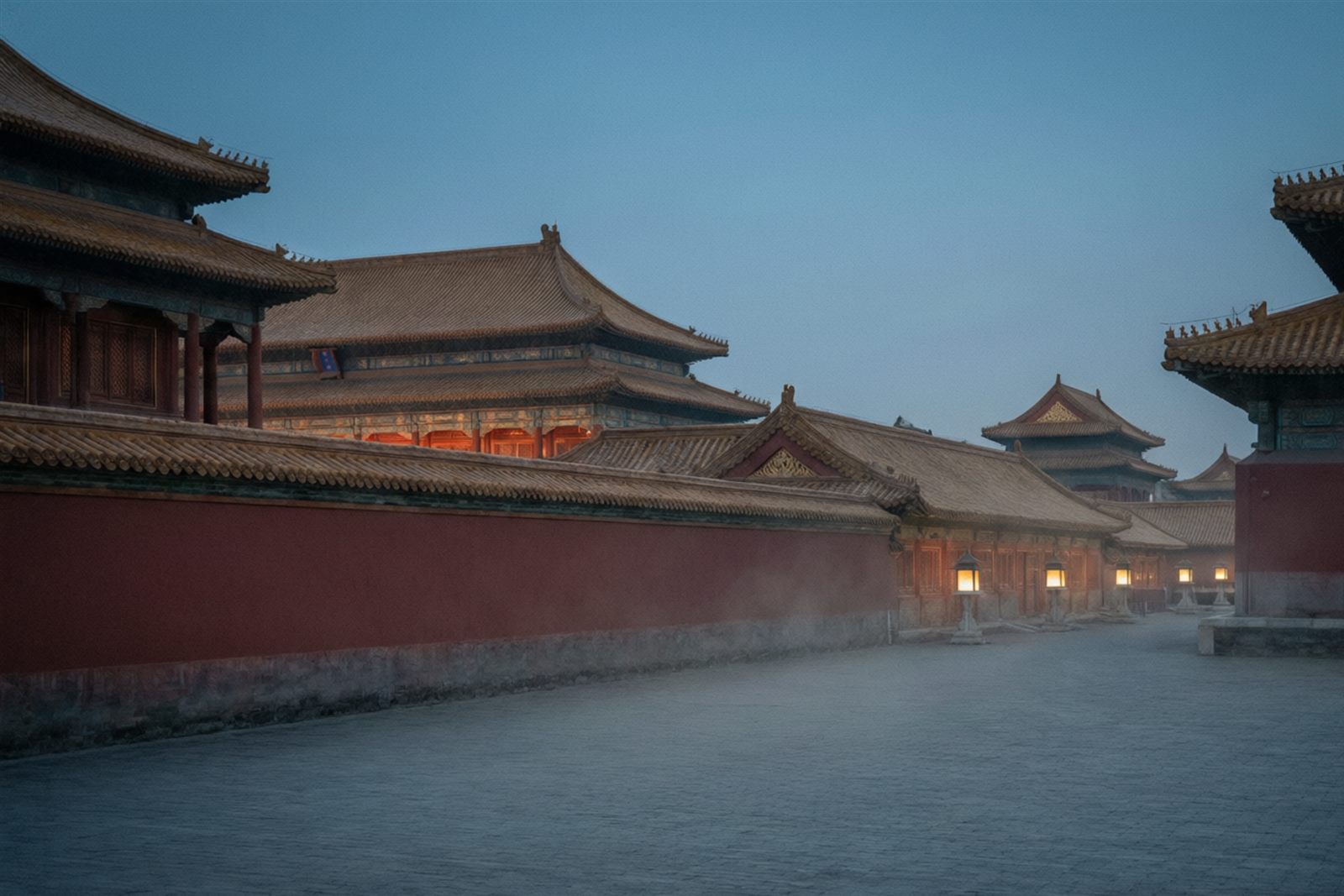
The Forbidden City, first doors open
Enter at the Meridian Gate at 8:30 and go north through the three great halls, then immediately cut east into the side galleries — the treasure hall and the clock hall are empty by 9:15 while the central spine is a shoulder-to-shoulder river of people. Finish in the Hall of Mental Cultivation, exit Shenwu Gate, and walk straight up Jingshan for the panorama at 11:30.
Day 3 All day
Pick one wall and go early
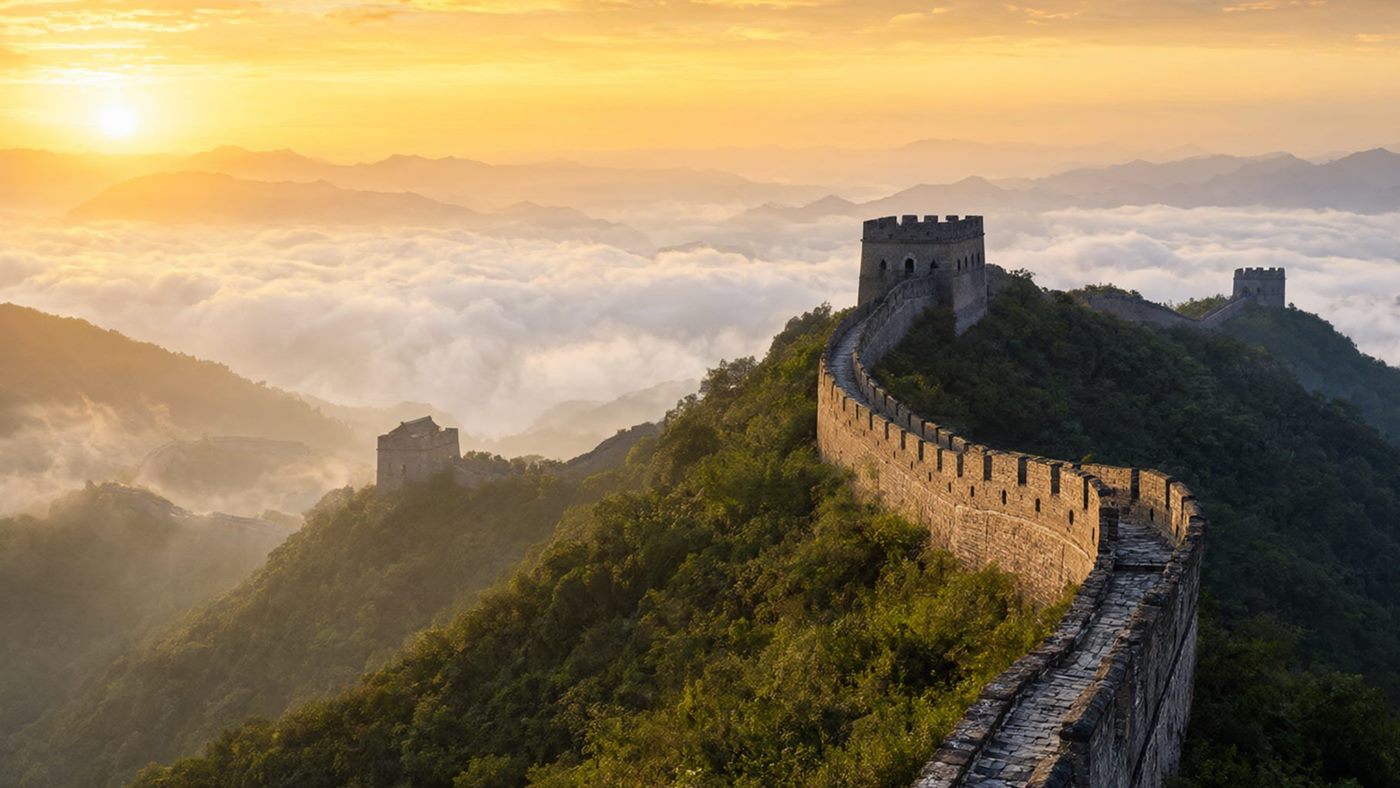
Mutianyu for the chairlift and the restored walk; Jinshanling for the unfixed, crumbling east section and the company of maybe forty other people; Simatai only as a night trip with Gubei Water Town. Leave by 6:30 or accept that you will be photographing backs.
Day 4 AM
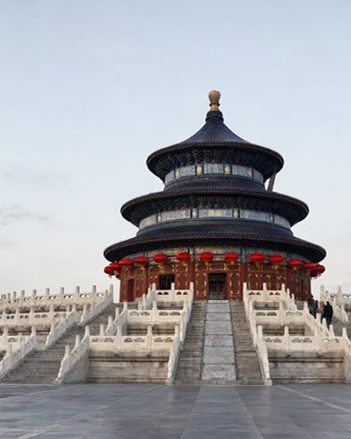
Temple of Heaven at 6:30
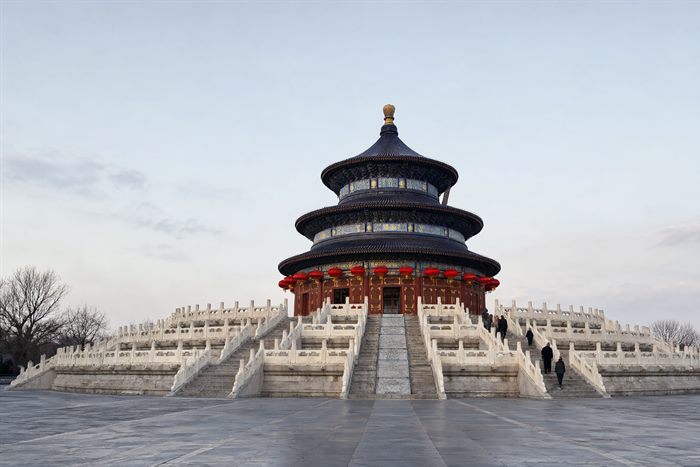
The gates open before the ticket offices make any money, and for one glorious hour the park belongs to the locals: ribbon dancers, feather-kick players, calligraphy written on the pavement with a two-metre brush dipped in water. Then go up to the Hall of Prayer for Good Harvests before the coaches.
Day 5 AM
Summer Palace, north gate
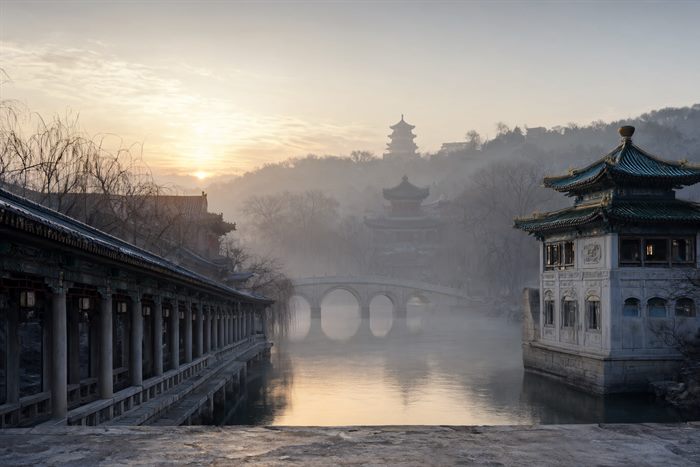
Enter at Beigong Men at opening, walk the 728-metre Long Corridor east to the boat shed, take the row out to South Lake Island, and climb Longevity Hill for the view back over the lake to the Jade Spring Hills. Skip Suzhou Street unless you enjoy a reconstructed shopping canal.
Day 6 AM
Then the city you came for
Yonghegong lamasery early, lunch of dumplings in a courtyard, the hutong loop north to Wudaoying and Doufang Hu Tong, and the 798 art district by taxi in the late afternoon. Take the train west to Xi'an in the evening — four hours twenty, and you get a night back.
Chapter 03 — Six sights
What is actually worth the ticket
01 · Museum
The Palace Museum 故宫
Ninety-seven courtyards and 8,700 rooms, and the reason to be there at opening rather than noon. The central axis is the ceremonial machine; the side wings are where the collections and the quiet are. Closed Mondays. Tickets go on sale seven days in advance and disappear by breakfast.
¥40–608:30–16:30Mon closed2–4 h
02 · View
Jingshan Park 景山
A man-made hill dumped out of the moat in 1421, and the only place you can see the entire imperial axis at once. Two pavilions east or west of the central one and you have the roof sea without the crowd. Go forty minutes before sunset in October and stay until the lanterns come on across the way.
¥26:00–21:00sunset45 min
03 · Ritual
Temple of Heaven 天坛
The emperor's address to the sky, in a blue-tiled cone on three marble circles. The building is the postcard; the park is the reason to come early. Buy the combined ticket, not the gate ticket, or you will be standing outside a fence.
¥34 combined6:00 gatesgo at 6:302 h
04 · Streets
The northern hutongs 胡同
Skip the reconstructed ones south of Gulou East Street. North of Yonghegong the lanes are still lived in: courtyard houses with a pomegranate tree, a barber with one chair, and a man selling boiled peanuts from a tricycle at 7am. A pedicab is a fine way to see them once; walking is how you see them properly.
freeany morningWudaoying · Doufang2–3 h
05 · Gardens
Summer Palace 颐和园
The imperial family's actual residence until 1900 — a lake, a hill, a painted corridor, and a marble pleasure boat that never floated. It is enormous, so pick one half. The north gate at opening puts you at the Long Corridor before the east-gate crowds arrive.
¥60 combined7:30–17:30north gate3–4 h
06 · Beyond
The Wall, three ways 长城
Mutianyu — restored, chairlift, toboggan down, the best all-round day and the least lonely. Jinshanling — two hours north-east, half-repaired, and the classic east-to-west ridge walk to Little Jinshan. Simatai — the only section open at night, with the raw cliff face lit and Gubei Water Town below. Choose by how many people you can stand.
¥45–65leave 6:30Jinshanling = quietestfull day
The 240-hour question
Beijing is one of the ports covered by the 240-hour visa-free transit: a 54-country passport holder arriving from country A and departing to country B can spend ten days here without applying for anything. The permission is regional, though. Entering at PEK opens Beijing, Tianjin and Hebei only — the Wall at Jinshanling is inside it, Chengde is not. You may leave from Tianjin, but you cannot exit at Shanghai or Xi\u0027an without breaking the condition.
Bring: a printed onward ticket, a hotel booking for every night, and your fingerprints will be taken on arrival. It is genuinely painless. It is also genuinely the rule set that changes fastest, so re-check the week you fly.
Questions travellers ask
How many days do you need in Beijing?
Four days covers the Forbidden City, one Great Wall section and the Temple of Heaven without rushing. Six days adds the Summer Palace, the northern hutongs and 798 at a civilised pace, and is the length most people wish they had booked.
Which Great Wall section should a first-timer choose?
Mutianyu: restored, reachable in about 75 minutes, with a chairlift up and a toboggan down. Jinshanling is better for photography and emptiness but costs a full day. Avoid Badaling on weekends and public holidays.
Is Beijing doable without speaking Chinese?
Yes. The metro is bilingual, major sights have English signage, and Alipay or WeChat Pay linked to a foreign card covers almost every payment. Carry the Chinese names of your hotel and destinations on your phone for taxi drivers.