Almost everything you will remember in Shanghai was built between 1900 and 1937 by banks that expected to stay, and the city has spent thirty years answering them with towers. Both halves deserve a day. The trick is to see the old one before eight and the new one after dark.
上海 ShànghǎiShanghai · East ChinaIdeal 3–5 daysWindow Mar – May
Population
24.8 millionand 20 metro lines to move them
Maglev
¥50PVG to Longyang Road in 7 min 20
Shanghai Museum
freePeople's Square; closed Mondays, book a slot
Shanghai Tower
¥180118th floor, 546 m, 55 seconds
Water town
¥7metro Line 17 to Zhujiajiao, 35 min
Chapter 01 — Orientation
A river, two banks, and a grid of old lanes
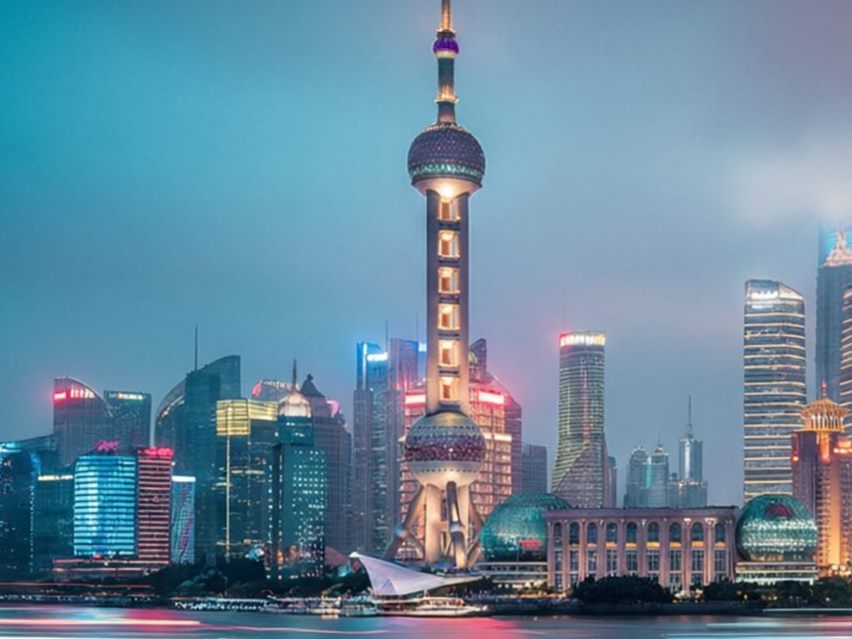
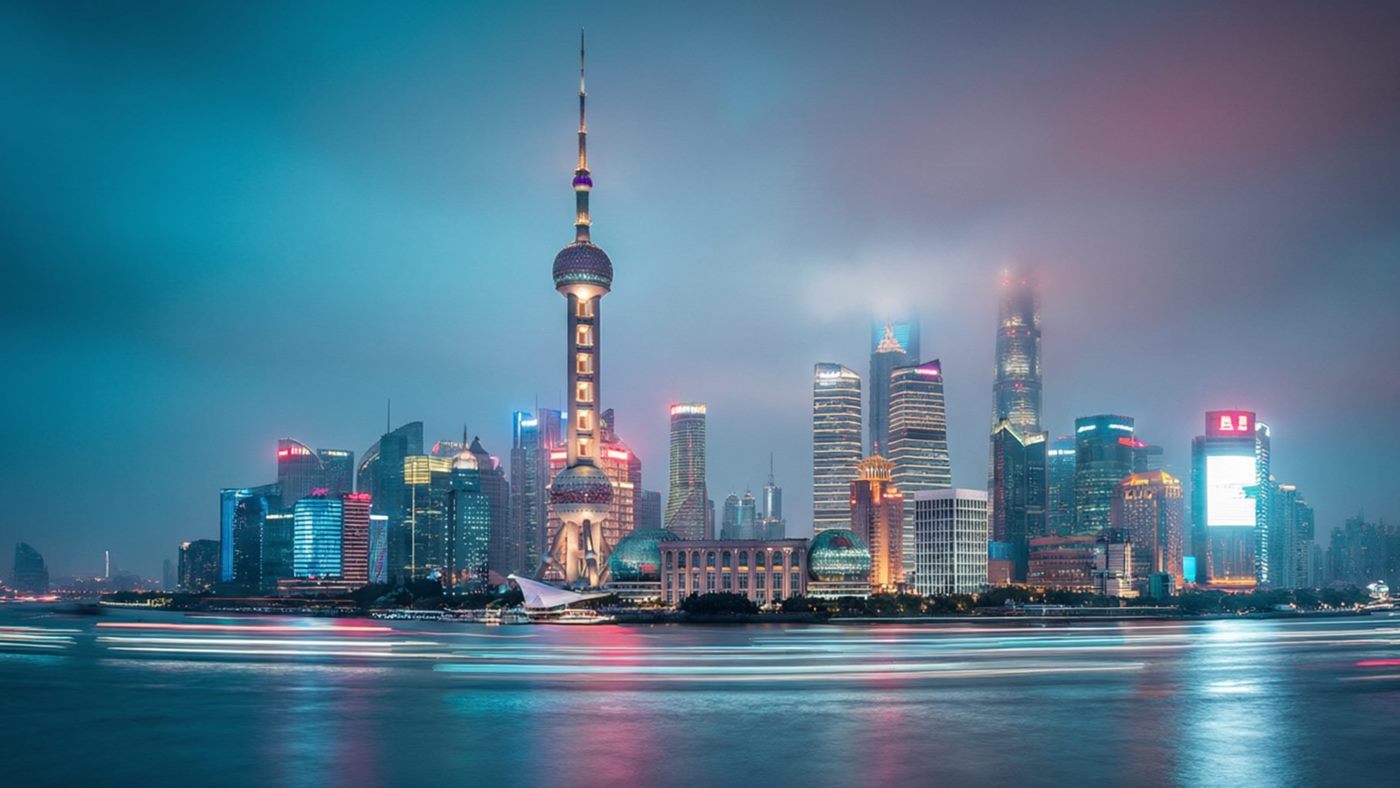
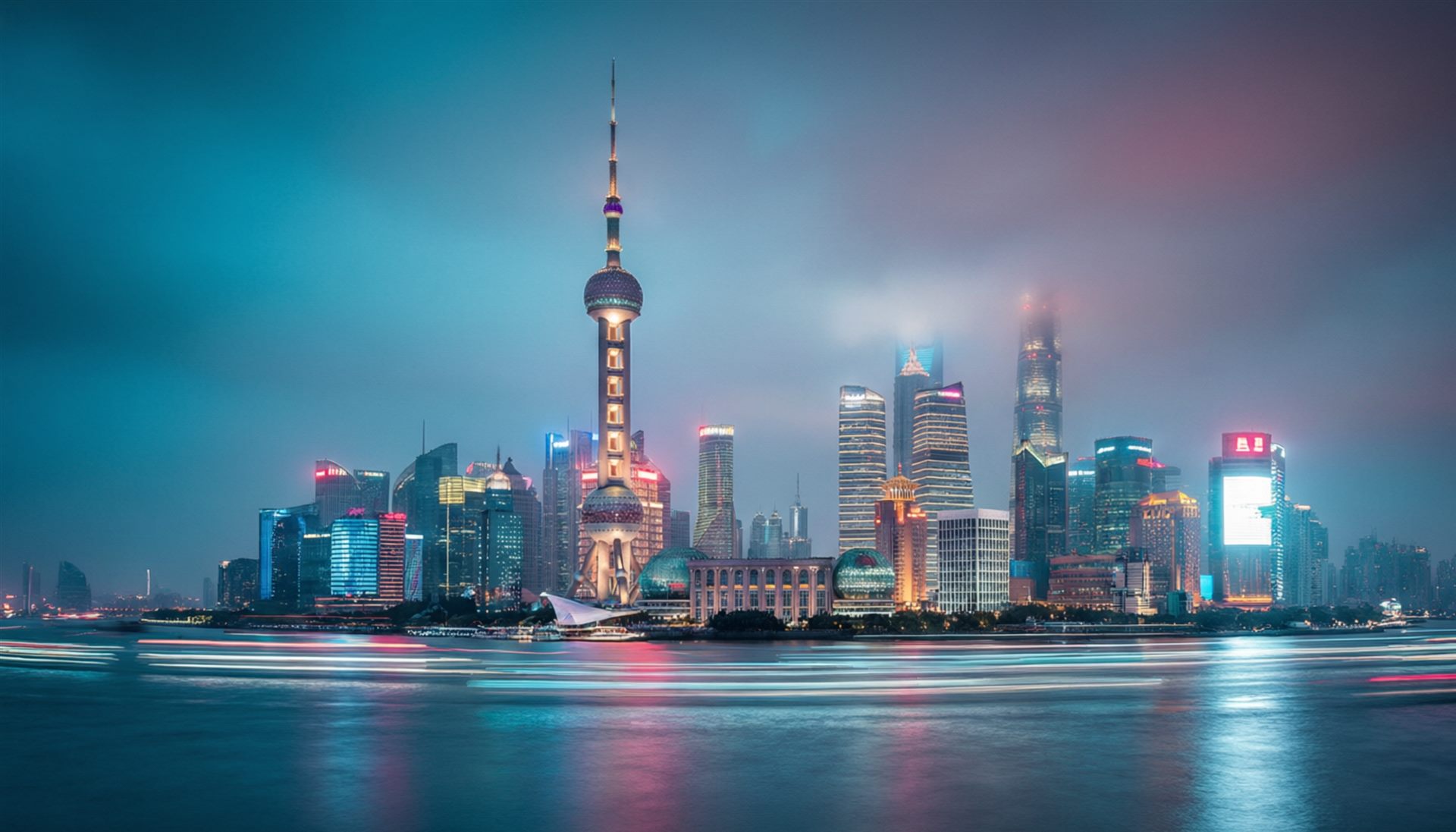
Shanghai is a river city that behaves like two cities. Puxi, the west bank, is the old one: the Bund along the water, the walled Chinese town around Yuyuan, and the grid of concession streets behind. Pudong, the east bank, was market gardens until 1990 and is now three towers, a television mast and a skyline that appears in the opening shot of every film set here.
The Bund runs 1.5 km from the Garden Bridge south to Yan'an Road, and the reason to walk it is the west side: 52 buildings put up between 1900 and 1937 by banks, trading houses and insurance companies, in a row like a catalogue of European styles. Nanjing Road runs west from the bottom of the Bund to People's Square, where the museum sits. The former French Concession begins three blocks further west and runs out to Xujiahui under plane trees.
There is no single centre. People's Square for the museum, Lujiazui for the towers, Jing'an for dinner, the old town for gardens and dumplings, Xintiandi for the lanes rebuilt as a shopping street. The metro joins them for ¥3–7, and at 6pm a taxi across the river takes longer than walking to the ferry and paying ¥2.
Stay in the former French Concession, near Changshu Road or South Shaanxi Road: plane trees, coffee, three metro lines and a 25-minute walk to the water. Three nights is the minimum. A fourth buys the canal town or a day in Suzhou, which is 23 minutes away by train and has the gardens Shanghai demolished.
Towers from the ferryZhujiajiao, before the coachesThe Bund, low light
Chapter 02 — Five days
Old bank, new tower, canal
Day 1 PM
The Bund, then the ferry
Walk the Bund from the Garden Bridge south at 5pm, when the stone turns gold and the wedding photographers arrive. Cross to Pudong on the ¥2 ferry from Jinling Road rather than the sightseeing boat, watch the west bank light up from the far side, and come back on the metro. Dinner in Jing'an, not on Nanjing Road.
Day 2 AM
Bronzes at opening
The Shanghai Museum opens at 9:00 and the bronze gallery on the first floor is the reason to be there at 9:05: 400 pieces, most of them excavated in the last sixty years, with labels in English. Two hours, then the ceramics and the calligraphy, then lunch in the lanes behind Yuyuan. Book the free slot online a week ahead.
Day 3 AM
Plane trees and 1924
Start at Wukang Mansion at 8am, before the influencers, and walk Wukang Road north to Anfu Road: 1920s apartment blocks, balconies, laundries, a wet market, three coffee shops per block. Lunch, then the art deco rooms of the old cinemas and ballrooms on Jiangning and Yuyuan roads, most of which you can only see from the street.
Day 4 AM
The canal town
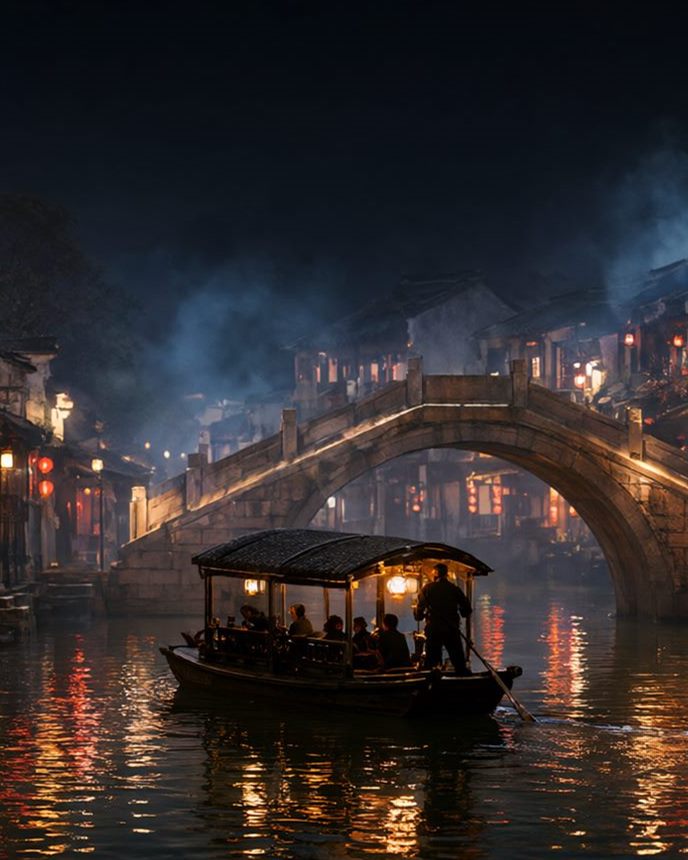
Metro Line 17 from Hongqiao to Zhujiajiao, 35 minutes, ¥7, then ten minutes on foot. The town is free to enter, the canals are lined with Ming and Qing houses, and the boat costs ¥80 for the whole boat rather than per person. Be on the 8:00 metro; by 11 the bridge is a queue of selfie sticks.
Day 5 AM
Suzhou, or up a tower
Two ways to finish. Suzhou is 23 minutes and ¥40 by high-speed train, with the Humble Administrator's Garden and a canal grid that predates Shanghai by a thousand years. Or stay and go up: the Shanghai Tower's lift takes 55 seconds to the 118th floor, ¥180, and the view explains the whole city in one look.
Chapter 03 — Six sights
Banks, lanes and a canal
01 · The waterfront
The Bund 外滩
Fifty-two buildings in a 1.5 km row, from the 1907 Garden Bridge to the Bank of China at the south end, with the Huangpu in front and a raised promenade built in 1992. Come at 6am for the tai chi and the empty stone, or at 5pm for the light. The HSBC dome and the Customs House clock are the two interiors worth ducking into.
free24 hbest 6–8am1.5 km
树
02 · The lanes
Former French Concession 法租界
A grid of streets west of the centre, laid out between 1900 and 1943, with plane trees, low apartment blocks and lane houses behind them. Wukang Road is the showpiece and the busiest; continue to Anfu Road and Wuyuan Road for the same architecture with fewer people. Sunday morning is when the neighbourhood uses it as a neighbourhood.
freebest 8–10ammetro 103 h
鼎
03 · Rainy day
Shanghai Museum 上海博物馆
A square building on People's Square with a round roof, holding one of the best bronze collections in the world and a ceramics gallery that runs from Neolithic pots to export porcelain. Free, timed entry, closed Mondays. The East branch in Pudong, open since 2024, takes the crowds and the big travelling exhibitions; the original is still the better visit.
free9:00–17:00closed Mon2–3 h
04 · The new bank
Pudong and Lujiazui 陆家嘴
Three towers within 200 metres of each other: Jin Mao (1999), the bottle-opener (2008) and the twisted one (2015), which is the tallest of them at 632 m. The Shanghai Tower's observation deck is on the 118th floor for ¥180; the free alternative is the riverside path at Lujiazui, which puts all three above your head at once.
¥180 tower10:00–21:00metro 22 h
05 · Day trip
Zhujiajiao 朱家角
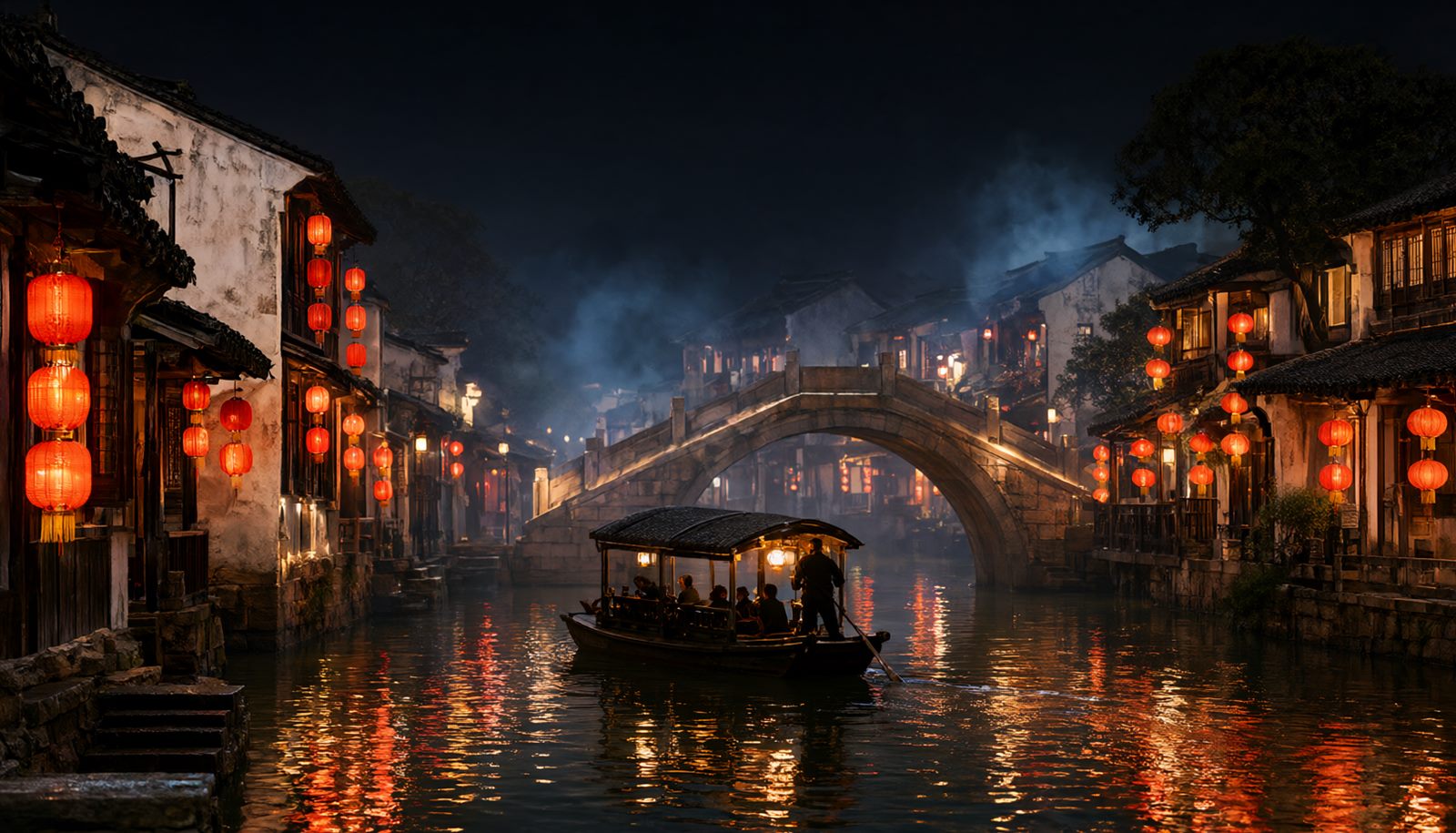
A canal town 50 km west, with a five-arch Ming bridge, a Qing post office, and houses that step straight down into the water. It is a working suburb rather than a film set, which is the point: the wet market at the north end is real. Boats are ¥80 for the boat, and the gardens cost ¥20. Go on a weekday if you can.
free entryLine 17, ¥7boats ¥80half day
影
06 · 1930s
The art deco layer 装饰艺术
Shanghai built more art deco than any city in Asia between the wars, and much of it survives above shop level: the Majestic Theatre on Jiangning Road (1941), the Paramount ballroom on Yuyuan Road (1933), the Bank of China tower (1937) and a hundred apartment blocks with stepped parapets. Walk it in the morning; the lobbies that remain open are worth asking about.
freebest Sun am2 h walkmetro 2 / 12
Mondays, and what closes
Almost every museum in the city shuts on Monday: the Shanghai Museum and its Pudong branch, the Power Station of Art, the natural history museum, the urban planning hall. The Bund, the concession streets and the temples do not. If your trip includes a Monday, spend it outdoors and put the museum on a Tuesday morning.
Free slots at the Shanghai Museum are released seven days ahead and go within hours on weekends. You need the passport number of each visitor, and the gate checks the physical passport against the booking. The Pudong branch needs its own separate reservation, which is the mistake most people make on the day.
Questions travellers ask
How many days do you need in Shanghai?
Three nights covers the Bund, the museum, the former French Concession and one tower. A fourth gives you Zhujiajiao by metro, and a fifth is best spent in Suzhou, 23 minutes by train, which has the gardens and canals that Shanghai paved over in the 1990s.
Is the Bund or Pudong better at night?
The Bund, at 6am, for the buildings and the light. Pudong is better from the Puxi side than from inside it: the towers are impressive up close but the skyline only reads across the water. Take the ¥2 ferry rather than the ¥120 sightseeing cruise.
Which water town is easiest from Shanghai?
Zhujiajiao: metro Line 17 from Hongqiao, 35 minutes, ¥7, no booking, boats ¥80. Qibao is closer and smaller but crowded at weekends. Wuzhen is the prettiest and the most staged, two hours by bus with a ¥150 entry, and needs a night to be worth it.