Compare · Beijing or Xi'an
By the ChinaTravel.fly field desk 7 min read Updated Nov 2026
- Days
- 5 vs 3Beijing needs a Wall day; Xi'an fits a long weekend
- Best months
- Sep–Oct · Apr–MayBeijing in autumn, Xi'an in spring, dust in March
- Cost, per day
- ¥850–1,100Xi'an is ¥650–850, the cheaper of the two
- Rail between
- 4 h 20–6 hBeijing West to Xi'an North, ¥515 second class
- The big ticket
- ¥60 vs ¥120Forbidden City against the terracotta army
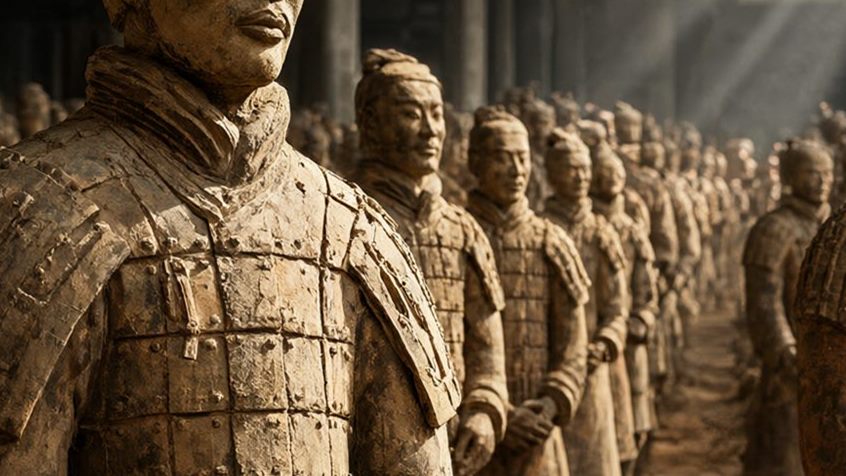
Beijing and Xi'an are both capitals, both walled cities, both on the same four-hour rail line, and almost nothing about them overlaps. One is a working imperial machine at national scale; the other is an archaeological site with a lively noodle trade attached. Choosing badly costs you either a rushed week or a thin long weekend.
What Beijing and Xi'an are actually like
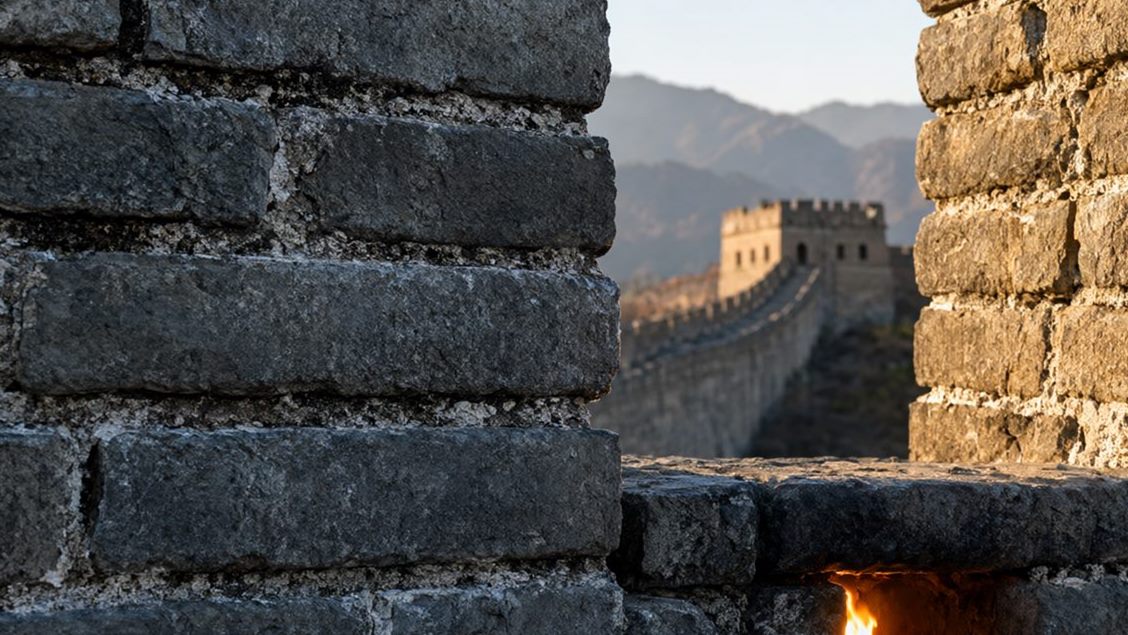
Beijing is an argument about scale. The Forbidden City runs 961 metres from the Meridian Gate to the north gate, and every courtyard is wider than it needs to be; the hutongs behind it are human-sized and full of laundry. The two are ten minutes apart and feel like different countries. The city rewards a fifth day and punishes a rushed second one.
Xi'an is compact and legible in a way Beijing is not. A 13.7 km Ming wall draws a rectangle around the old town, four gates line up with the compass, and the Bell Tower marks the crossing. The pits lie 40 minutes east of the wall; the Muslim Quarter has kept its ovens and stalls going for 1,300 years and still smells of bread at eight in the morning.
The comparison, in numbers
| Beijing | Xi'an | |
|---|---|---|
| Time needed | 5 days: palaces, hutongs, one Wall day | 3 days: army, wall, Muslim Quarter |
| Cost, per day | ¥850–1,100 a day | ¥650–850 a day |
| Best months | September–October | April–May; March is dusty |
| Food | Duck, zhajiangmian, copper-pot lamb | Biangbiang noodles, paomo, ¥10 roujiamo |
| Crowds | Timed palace slots; the Wall absorbs the rest | Army from 10am; the Muslim Quarter after six |
| Walking | Flat and enormous: 10–15 km | Flat inside the wall: 6–10 km |
| Who it suits | Imperial scale, first trips, families | Archaeology, street food, long weekends |
The 1,200 km between them is four hours and twenty minutes on the best trains, ¥515 in second class, and the most useful rail leg in northern China. The 08:00 departure from Beijing West reaches Xi'an by half past twelve, which leaves the afternoon for the wall. Xi'an North is 40 minutes from the Bell Tower by metro; Beijing West sits on lines 7 and 9.
Beijing is a capital you visit. Xi'an is a capital you can finish. That is a compliment. Field desk · Xi'an, South Gate at dusk
Where the comparison breaks down
Xi'an is a one-subject town with excellent supporting acts. Almost everything you came for sits inside one rectangle, and after three days you have seen it. Beijing keeps going: temples, parks, opera, a second palace, galleries, and the Wall as a whole day out. That is why the honest comparison is not city against city but long weekend against week.
The other break is air and distance. Beijing's spring dust and winter smog are real; Xi'an's spring is dustier still, and April, its best month, is also when coach traffic at the pits peaks. Neither city is a place to arrive without a ticket: the palace and the army both sell timed slots, and both want your passport number at the booking stage.
If you only have five days
Do not split five days between them. Three in Xi'an and two in Beijing gives you one Wall day and a palace at a sprint, and two in Xi'an is worse. Take Xi'an alone, add a morning on the wall and a day at Huashan, and save Beijing for a trip with a full week in it.
Booking the army, and the wall
Terracotta army tickets are released about seven days ahead through the site's own mini-program and need a passport number. The 08:30 slot is usually still open two days out; midday slots go first. The gate wants the passport itself, not a picture of it.
In Xi'an, hire a bicycle on top of the city wall at the South Gate for ¥45 and two hours, which covers the full 13.7 km without effort. Go at five, when the light turns orange and the lanterns come on along the parapet.
The verdict
Beijing wins the week; Xi'an wins the long weekend. If this is your only trip to China, the palace, the hutongs and the Wall carry most of what a first visit needs, and Xi'an becomes the second stop on the same rail line rather than a rival.
Xi'an wins for photographers. The army's faces at 08:40, the wall at dusk with lanterns coming on, and steam over the Muslim Quarter at seven in the morning are three of the most reliable frames in China, and none of them needs a drone or a permit.
Xi'an also wins for food-led travel: biangbiang noodles, paomo you break yourself, roujiamo for ¥10. Beijing's duck is a ceremony; Xi'an's food is lunch. Families should still choose Beijing, where the Wall does the work of a theme park and the metro reaches everything.
Questions travellers ask
- How long is the train from Beijing to Xi'an?
- Four hours and twenty minutes on the fastest G trains, ¥515 in second class, city centre to city centre. Add 40 minutes at each end for security and the metro, so a morning departure is most of a day. The 08:00 from Beijing West is the useful one; it arrives at 12:30.
- Can you see the terracotta army as a day trip from Beijing?
- Not sensibly. Xi'an is 1,200 km away, the pits are another 40 minutes east of the city, and the last useful train back leaves around seven. You would spend eleven hours in transit for three hours on site. Stay a night, see the army at opening and the wall at dusk.