Compare · Chengdu or Chongqing
By the ChinaTravel.fly field desk 7 min read Updated Nov 2026
- Days
- 3–5 vs 3–4Chengdu earns extra days with day trips; Chongqing is the trip
- Best months
- Mar–May · Sep–NovChongqing in July is 38°C at midnight
- Cost, per day
- ¥600–850mid-range; hotpot and taxis included
- Rail between
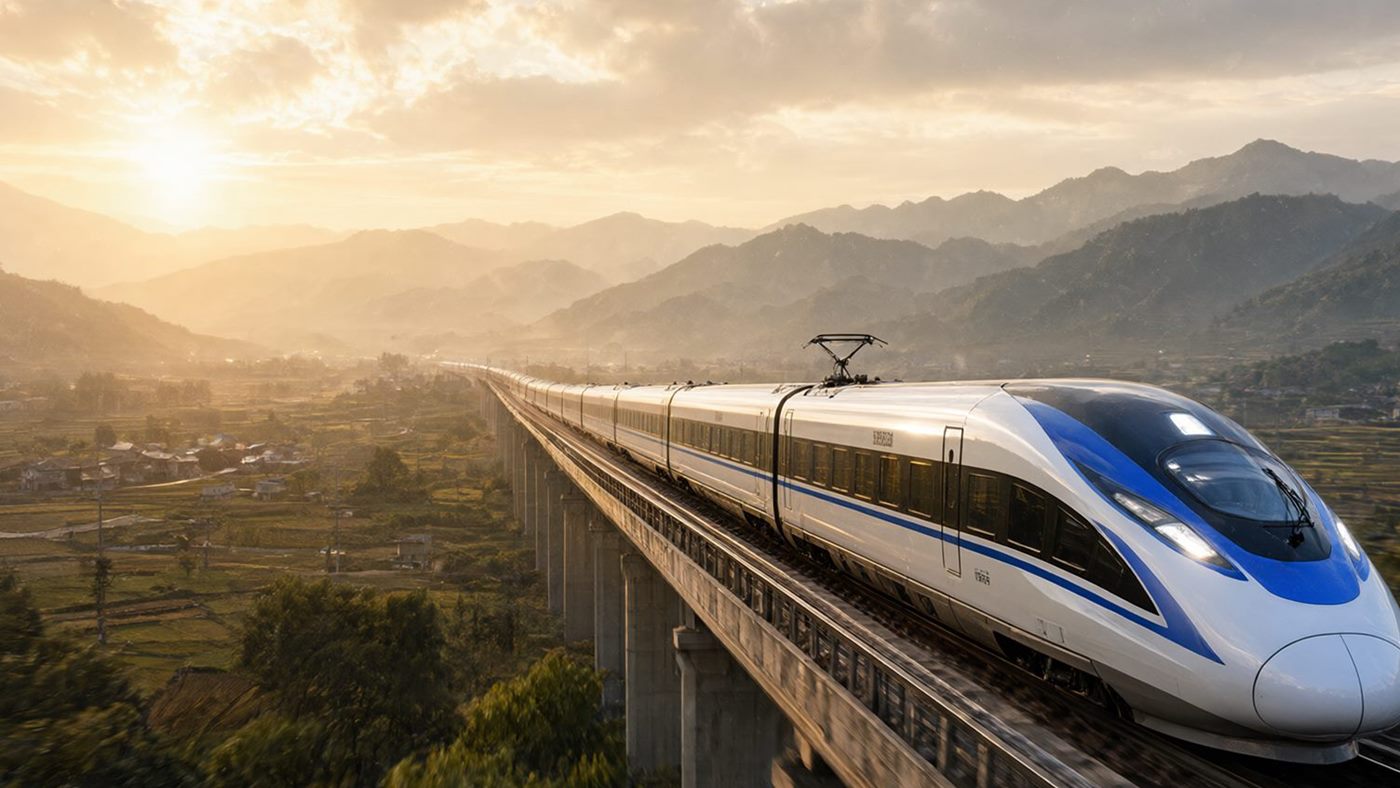
- 62 minChengdu East to Chongqing North, ¥154, every 15–20 min
- The sight
- ¥55 vs noneThe panda base opens at 07:30; Chongqing has no single ticket
Chengdu and Chongqing are the two halves of Sichuan food and the two opposite answers to a hot, damp climate. Chengdu sits in the basin and takes the heat slowly, in a bamboo chair with tea. Chongqing climbs out of the river confluence and turns the heat into noise, stairs and chilli oil. Most trips to the southwest should include both, and the question is only which one gets more days.
What Chengdu and Chongqing are actually like
Chengdu has made idleness a civic policy, and it takes the work seriously: bamboo chairs in People's Park, bottomless tea, mahjong under the trees, offices that close at six and hotpots that open at seven. The pandas are why people arrive; the pace is why they add a day, then another. It is also flat, which sounds trivial until you have carried a bag across Chongqing.
Chongqing is a municipality of 32 million stacked on a peninsula where the Yangtze meets the Jialing, with roads on eleven levels and a monorail that runs through a block of flats at Liziba. Distance in metres means nothing here. A 200 m walk can be a 20-storey climb, and the taxi driver will ask which level you mean before he sets off.
The comparison, in numbers
| Chengdu | Chongqing | |
|---|---|---|
| Time needed | 3–5 days: a panda morning plus a day trip | 3–4 days; the city is the sight |
| Cost, per day | ¥600–800 a day | ¥650–850 a day |
| Best months | March–May, September–November | March–April, October–November |
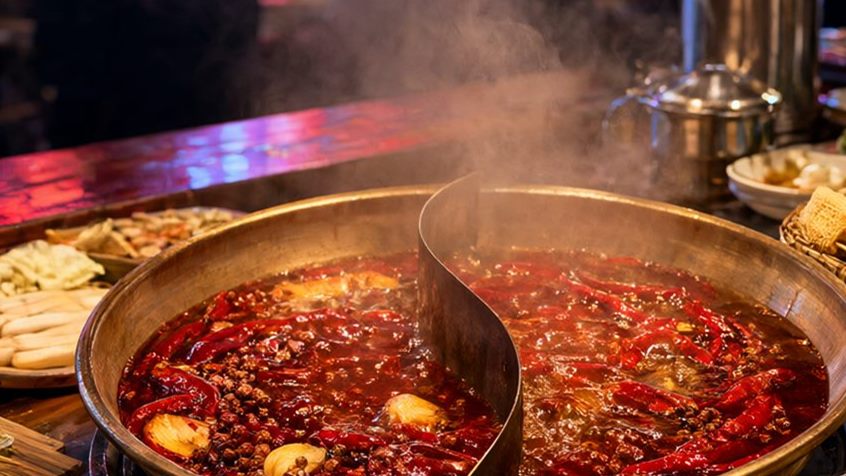
| Food | Ma la, gentler; teahouses and dumplings | Hotter and rougher; nine-grid hotpot |
| Crowds | Panda base by 08:00; parks full all afternoon | Hongyadong after dark is impassable |
| Walking | Flat, 8–12 km, bikes everywhere | Vertical, 10–14 km and 300 steps |
| Who it suits | Slow travel, families, a first Sichuan trip | Cities, night photography, heat |
No other pair of Chinese cities this size sits so close on a high-speed line: 62 minutes, ¥154, departures every 15 to 20 minutes from Chengdu East to Chongqing North, and advance booking is rarely necessary outside holidays. It is the reason not to choose between them: you can do both in a week without losing a day to travel.
Chengdu is where China goes to sit down. Chongqing is where it goes to stand on a bridge and look at itself. Field desk · Jialing River, after dark
Where the comparison breaks down
The rivalry is mostly a joke told by people who have been to both. Chengdu is a base: Leshan's Buddha is 1 h 05 by rail for ¥54, Dujiangyan 35 minutes, Jiuzhaigou 1 h 50 by rail to the trailhead. Chongqing is a destination with one great subject, itself, plus the Yangtze cruises that dock at Chaotianmen for anyone heading downstream to Yichang.
Weather is the second break, and it is decisive. Chengdu stays open all year, grey and damp in winter but never shut; Chongqing in July and August is punishing, 38°C after midnight, and the stairs make it worse. Winter fog in Chongqing is atmospheric in photographs and useless for views, so check the forecast before you pay for the cable car.
If you only have five days
Three nights in Chengdu, one in Chongqing. Take the 07:30 panda shift on day one, give day two to a teahouse and a long lunch, use day three for Leshan, then take a mid-morning train east. Eat hotpot at nine, photograph Hongyadong from the Qiansimen bridge at ten, and fly out of CKG the next morning. Fewer hotel changes than the reverse, and the long Chengdu days stay together.
The hotpot order
Ask for a divided pot and wei la, slightly spicy, on your side. Chengdu's heat is ma la, numbing first and hot second; Chongqing's is hotter and coarser, built on beef tallow. Nobody is offended by a mild order.
Order lotus root, tripe and potato slices first, because they take longest. Rice is not automatic with hotpot, so ask. Dinner for two with beer runs ¥180–300 in either city.
The verdict
Chengdu wins the first visit and the family trip. Pandas at 07:30, a flat city, cheap taxis and a kitchen that will dial the chilli back make it the easiest introduction to Sichuan, and the day trips give it more range than Chongqing's single spectacular subject.
Chongqing wins for photographers and for anyone who has already done the obvious China. Fog, stacked lights, a monorail through a building and escalators that count as streets give you a night's work no other city in the country can match.
Food-led is a split decision with a tiebreak: Chengdu for variety across a week, Chongqing for one punishing, perfect meal. If you have time for only one dinner, take the nine-grid in Chongqing and the first train back the next morning.
Questions travellers ask
- Is Chengdu or Chongqing better for a first Sichuan trip?
- Chengdu, for most people. It is flatter, gentler, easier to order in, and the pandas and teahouses fill three days without a queue. Chongqing is the more striking city and the harder one: the geography defeats maps and the heat defeats July. Do Chengdu first, then take the 62-minute train.
- How long is the train from Chengdu to Chongqing?
- Sixty-two minutes on the fastest service, ¥154 in second class, with departures every 15 to 20 minutes from Chengdu East to Chongqing North. Outside public holidays there is no need to book ahead. Arrive 30 minutes early; Chengdu East is a large station with a long security queue.