Field notes · No. 37 · Shanghai
By the ChinaTravel.fly field desk 7 min read Updated Nov 2026
- Maglev
- ¥507 min 20 s to Longyang Road, then metro Line 2
- Metro from PVG
- ¥7–850–60 min to the Bund, one change
- Ferry
- ¥2Jinling East Road to Dongchang Road, five minutes
- Noodles
- ¥12–22scallion oil, or beef with pickled greens
The arrivals hall at Pudong is the usual fluorescent purgatory, and the taxi queue at half four is forty minutes long. The train is better: the maglev to Longyang Road takes seven minutes and twenty seconds and costs ¥50, and from there Line 2 will put you under the city centre in another half hour for ¥4–5. You will arrive at the hotel at about six, which is the worst hour of the day for a jet-lagged person, because it is too early to sleep and too late to do anything ambitious.
The advice is not original and it is correct: do not go to bed. Put the bag down, wash your face, and go out again before the room wins. The target is ten o'clock, and everything in this piece is arranged to get you there without falling over.
Nine o'clock on the Bund
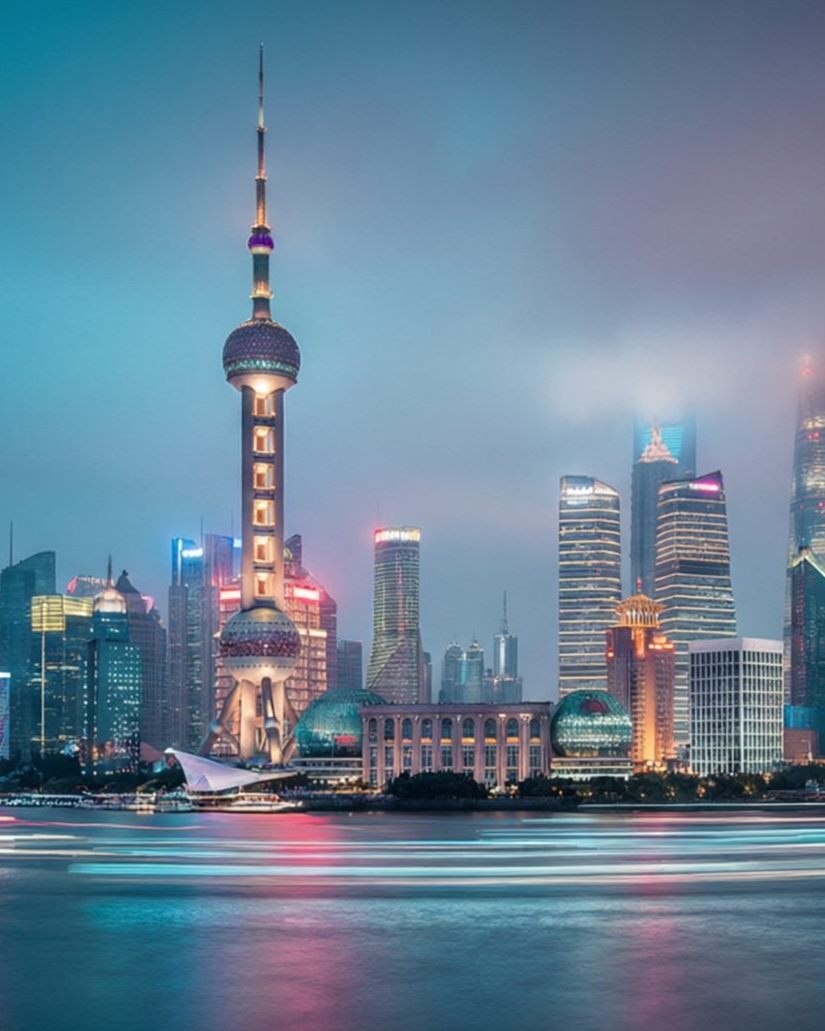
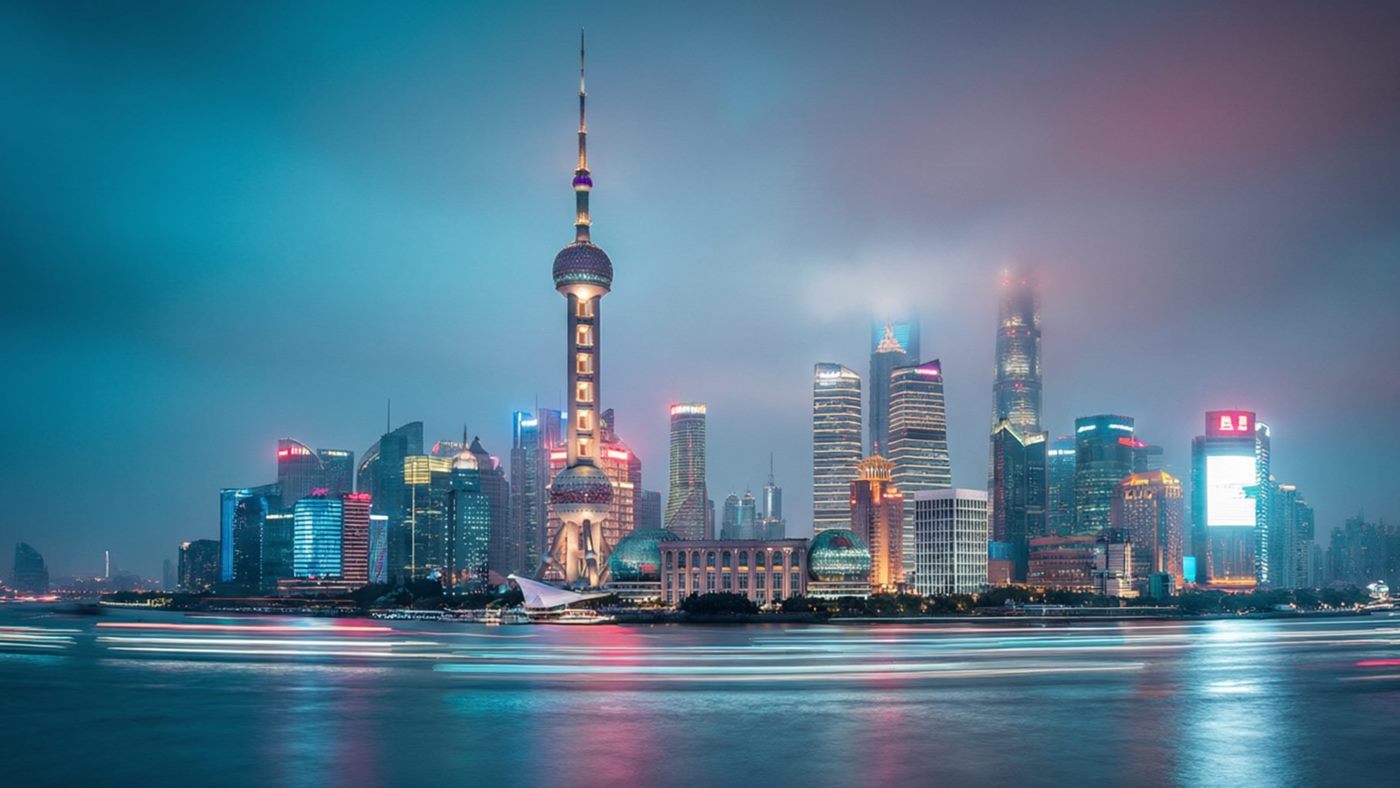
The Bund is a river wall with a road behind it, and at nine in the evening the wall is a slow-moving crowd of several thousand people, half of them holding phones above their heads. The far bank is the show: the towers of Lujiazui lit in sequence, the Oriental Pearl in its pink and silver, the Shanghai Tower disappearing into low cloud. The light show runs on the hour until ten, and when it starts, the crowd makes a sound that is mostly appreciation and partly the noise of cameras.
Walk north from Yan'an East Road toward the old British consulate and the crowd thins by half within four hundred metres. The buildings on the west side are the point as much as the skyline: 1920s banks and hotels in stone, floodlit, with the sort of scale that makes the glass towers opposite look provisional. There is a raised promenade above the road, reached by stairs at intervals, and it is worth the extra height — you see the river over the heads rather than through them.
The two-yuan ferry
At the southern end of the Bund, near Jinling East Road, there is a ferry pier with a ticket window and no queue, and a boat every ten or fifteen minutes that crosses to Dongchang Road on the Pudong side for ¥2. It takes five minutes. The deck is open at the front, the boat is full of people going home with bicycles and shopping bags, and the view back at the Bund from the water is the one photograph that no tripod on the promenade can take.
The last ferries run until about half past ten, which is tight if you have spent an hour on the wall. Check the board at the pier. Coming back, the boat leaves you ten minutes from the lights and two from a taxi rank, and by then you have done what the first night is for, which is to stay upright in a place worth being upright in.
The first night is not for seeing the city. It is for proving to your body that the day has not ended yet, in a place with enough lights to make the argument. Field desk · The Bund, Shanghai
The first bowl
Back on the Puxi side, the streets behind the Bund are quieter and the noodle shops are still open. A bowl of scallion oil noodles is ¥14 and arrives in about four minutes: wheat noodles, dark soy, a spoonful of scallion oil that has been infused for an hour, and nothing else unless you ask. The beef version with pickled greens is ¥22 and is a better meal. The shop will have plastic stools, a television on the wall, and a woman who is visibly closing up and will serve you anyway.
This is the honest first meal of a trip, and it is better than anything you will be sold on the waterfront. Eat it slowly, drink the tea that comes free, and watch the last of the city shut down: shutters, mopeds, a man hosing the pavement. By half ten you will be genuinely tired rather than jet-lagged tired, which is the difference that matters.
Three in the morning, and what to do about it
You will wake at three. Everybody does. The room is too warm, the city is audible, and the ceiling is doing that thing. The rule is to stay in bed for twenty minutes and then get up rather than lie there negotiating. A convenience store on the corner will be open — they all are — and sells hot tea, yoghurt and a strange but effective selection of pastries. Sit by the window, read for an hour, and go back to sleep at four.
The second morning arrives at seven with the sound of a street being swept, and this is the moment the plan pays off. You are tired but not destroyed, the city is doing its early errands, and the first coffee of the trip is in a shop that opened at six for the people who work rather than brunch. By the third night you will be on local time. Two nights of discipline, one ferry, one bowl of noodles, and Shanghai stops being a time zone and becomes a city.
The first night, in order
Land, take the maglev and Line 2, check in, wash, and leave the hotel by 19:30. Walk the Bund north to south, take the ferry across and back, and eat noodles within sight of the river. Be in bed by 22:30.
Set two alarms and put the phone out of reach. Keep the room cool, drink a litre of water before bed, and do not book anything for the following morning before ten. The second day is the one that decides the trip.
Questions travellers ask
- What should you do on your first night in Shanghai?
- Stay awake and go out. Walk the Bund between eight and nine, take the ¥2 ferry from Jinling East Road to Dongchang Road, and eat a bowl of noodles behind the waterfront for ¥14–22. Aim to be in bed by half ten. Sleeping at six in the evening is what ruins the next two days.
- How do you get from Pudong airport to the Bund?
- The maglev to Longyang Road takes seven minutes and costs ¥50, then metro Line 2 reaches the Bund area in about half an hour for ¥3–5. A taxi is 45–60 minutes and ¥180–250 depending on traffic. The metro runs until about 22:30, after which it is a taxi or the night bus.