Compare · Shanghai or Suzhou
By the ChinaTravel.fly field desk 7 min read Updated Nov 2026
- Days
- 3–4 vs 2–3Shanghai for the city, Suzhou for the gardens
- Best months
- Mar–May · Oct–NovOctober brings osmanthus and crab roe to Suzhou
- Cost, per day
- ¥900–1,200Suzhou is ¥550–750 for the same standard
- Rail between
- 25 minHongqiao to Suzhou, ¥40, through the day
- Old town
- 1.6 kmPingjiang Road, best before 08:00
Shanghai and Suzhou are the delta's two answers to the same question about money: spend it on towers, or spend it on gardens. They are close enough that travellers treat Suzhou as a suburb with canals, which is a mistake in both directions. One is a world city of 24.8 million; the other is a world city of 12.9 million that happens to have kept its old town.
What Shanghai and Suzhou are actually like
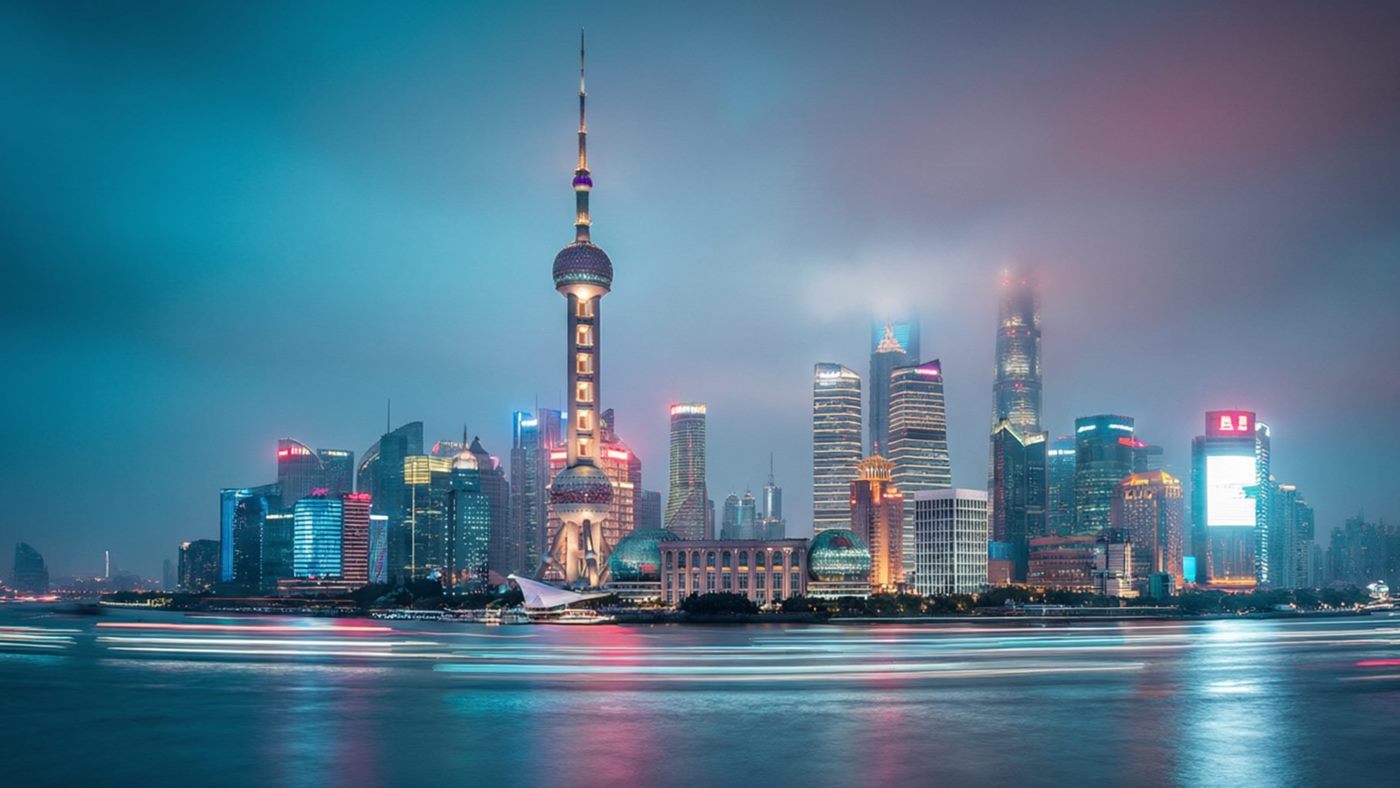
Shanghai is two cities in one postcode: a low-rise 1920s grid of banks, lane houses and plane trees, and a skyline across the river that was mostly built after 1990. See the old one before eight in the morning and the new one after dark, when the Bund's stone facades light up and the tower tops disappear into cloud. The scale is international and the food is the best in the country.
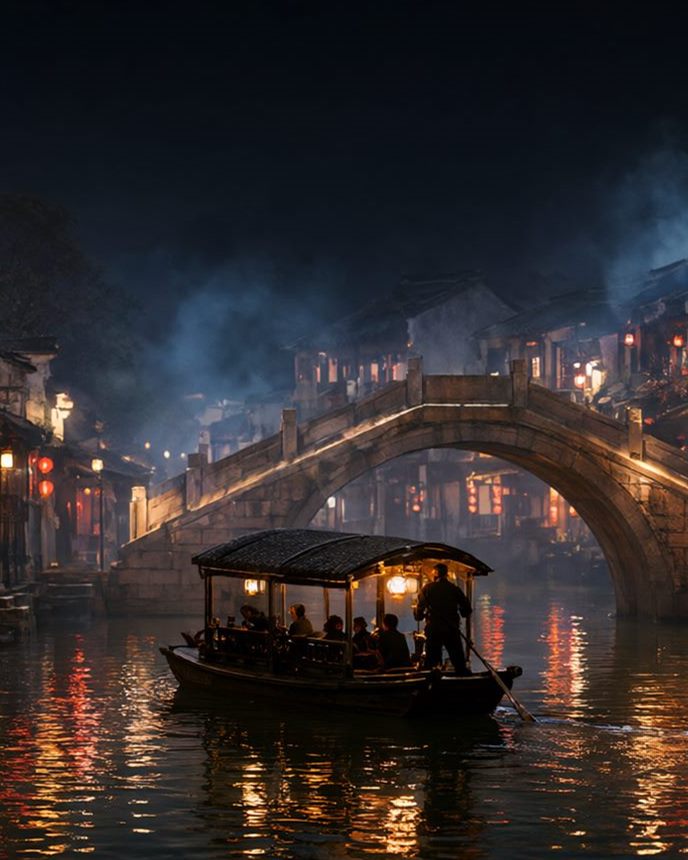
Suzhou built its fortune on silk and its fame on gardens. Retired officials poured the profits into private worlds of rock, water and pavilion, and nine of those gardens are UNESCO sites today. The canals that floated the silk bales still run through the old town. Pingjiang Road at seven, before the shops open, is the quietest 1.6 km in the delta.
The comparison, in numbers
| Shanghai | Suzhou | |
|---|---|---|
| Time needed | 3–4 days: Bund, concession, one museum | 2–3 days: three gardens, one canal |
| Cost, per day | ¥900–1,200 a day | ¥550–750 a day |
| Best months | March–May, October–November | March–May, September–November |
| Food | Xiaolongbao ¥25, scallion noodles, coffee | Noodles ¥15–30, squirrel fish, crab roe |
| Crowds | Bund from 20:00 is shoulder to shoulder | Gardens 10:00–15:00; 07:30 is empty |
| Walking | Flat, 8–12 km, metro everywhere | Flat, 6–9 km, lanes and bridges |
| Who it suits | Skylines, design, nightlife, first trips | Gardens, quiet, craft, second trips |
The train is a commuter service in all but name: 25 minutes from Hongqiao, ¥40, departures through the day, and booking a day ahead is enough. Check which Suzhou station you booked; Suzhou station is the one for the old town, while Suzhou North is 12 km out. Add 30 minutes at each end and the journey is still under two hours, door to door.
Shanghai is the city you came for. Suzhou is the one you will describe at dinner. Field desk · Pingjiang Road, 07:20
Where the comparison breaks down
Suzhou is not a museum. The old town is a fraction of a 12.9-million-person city with a skyline of its own, and the walk from a Ming garden to a shopping mall takes twelve minutes. If you want canals without the train, Zhujiajiao is 35 minutes from Shanghai on metro Line 17 for ¥7, but it is a water town staged for visitors. Suzhou's lanes are still lived in.
The evening decides where you sleep. Suzhou's old town shuts early: gardens close around 17:00, restaurants wind down by 21:00 and the lanes go dark. Shanghai starts at nine. That single fact is why one night in Suzhou beats a day trip, and why the order matters: Shanghai first, Suzhou second, then back for the airport.
If you only have four days, spend one in Suzhou
Shanghai takes three nights, Suzhou one, in that order. Do the Bund and the concession first, take the 09:00 train, see a garden at 15:30 when the coaches have gone, walk Pingjiang Road at dusk, sleep in the old town and see a second garden at 07:30 before the first tour arrives. Return to Shanghai for the last afternoon, or go straight to Hongqiao for the airport.
Which garden, and when
The Humble Administrator's is the largest at ¥70–80 and the busiest. Go at opening or after 15:30. The Master of the Nets is smaller, ¥40, and the better value for an hour. The Lion Grove's rockery is a maze that children love and adults queue in.
Tickets at the Humble Administrator's are timed and sell out at weekends; book two days ahead and bring the passport you booked with. The garden is best in the first hour and the last, when light comes sideways through the lattice windows.
The verdict
Shanghai wins the trip; Suzhou wins the morning. With four days and one base, Shanghai gives you the Bund, the concession and the best restaurant range in China, with Suzhou 25 minutes away for the day you want gardens instead of crowds.
For photographers, Suzhou takes it, and the hour after opening is the whole argument. Pingjiang Road at seven, a garden with mist on the pond, and a canal boat before the shops open are worth more than a skyline at blue hour, which you can shoot from the Bund on the way home.
Families should take Shanghai: free museums, an easy metro, river boats all day and a maglev that touches 300 km/h for ¥50. Food-led travellers should take both and time Suzhou for October or November, when crab roe noodles at ¥80–150 are on every menu and the gardens smell of osmanthus.
Questions travellers ask
- Should you stay the night in Suzhou?
- Yes, if you can. The train is 25 minutes and ¥40, so a day trip is easy; timing is the problem. Gardens are packed from 10:00 to 15:00 and the old town is dark by 21:00. One night buys you Pingjiang Road at seven and a garden before the coaches arrive.
- Which Suzhou garden should you see first?
- The Humble Administrator's, at opening, because it is the largest and the one every coach visits. Then the Master of the Nets, smaller, quieter and ¥40. Two gardens in a morning is enough; a third blurs into the second. Book timed slots two days ahead.