Compare · Yunnan or Sichuan
By the ChinaTravel.fly field desk 7 min read Updated Nov 2026

- Days
- 7–8 vs 10Sichuan by rail; Yunnan by road
- Best months
- Mar–May · Oct–AprSichuan in spring and autumn; Yunnan October to April
- Cost
- ¥600–800 a dayYunnan's ten-day route runs ¥7,500–10,500 all in
- Rail between
- 6 h 30Chengdu South to Kunming South, about ¥520
- Altitude
- 500 m vs 3,300 mChengdu is flat; Kunming 1,890 m, Shangri-La 3,300 m
Choosing between Yunnan and Sichuan is not choosing between two versions of the same trip. It is choosing between a week of eating and a week of moving. Sichuan rewards the traveller who wants a city, a table and a train timetable. Yunnan rewards the one who will accept six-hour buses for terraces at dawn and a monastery at 3,300 metres.
What each trip is actually like
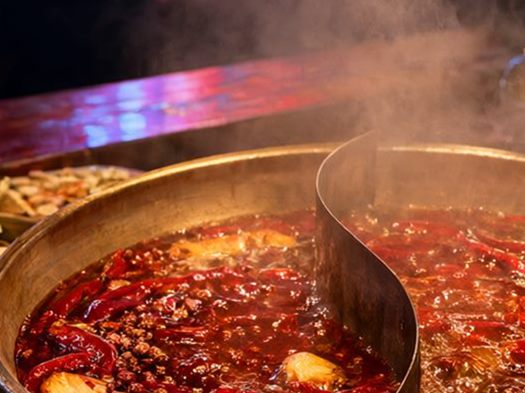
A Sichuan trip is a city trip with mountains at the edges. Chengdu gives you pandas at 07:30, teahouses at noon, hotpot at nine, and day trips that fit a rail timetable: Leshan's Buddha an hour and five minutes away for ¥54, Dujiangyan 35 minutes, Jiuzhaigou a 1 h 50 rail leg to a trailhead at 3,100 metres. Chongqing is 62 minutes east for the other half of the cuisine.
A Yunnan trip is a road trip with cities at the edges. The province is larger than Germany, Kunming is a junction at 1,890 metres, the terraces at Yuanyang are six hours south by bus, and Dali, Lijiang and Shangri-La climb west and north until the air thins. Distances look small on the map and take whole days; almost nothing on the route looks like anywhere else in China.
The comparison, in numbers
| Sichuan | Yunnan | |
|---|---|---|
| Time needed | 7–8 days: Chengdu, one mountain, Chongqing | 10 days: Kunming, Yuanyang, Dali, Lijiang |
| Cost | ¥600–800 a day | ¥750–1,050 a day |
| Best months | March–May, September–November | October–April; terraces flood December–March |
| Food | Ma la, hotpot, mapo tofu, rabbit head | Rice noodles, mushrooms, cured pork, pu'er |
| Crowds | Panda base before 09:00; Chengdu parks full | Dali and Lijiang old towns; Yuanyang quiet |
| Walking | Flat city; 3,100 m at Jiuzhaigou | 1,900–3,300 m; terraces are stairs |
| Who it suits | Food, pandas, first trips, families | Landscape, culture, long roads |
The link between them is six and a half hours by train from Chengdu South to Kunming South, about ¥520 in second class, or an hour and twenty in the air for ¥400–900. Neither is a day trip, which is the point: these are two separate week-long journeys, and the honest comparison is about which week you actually have.
Sichuan feeds you. Yunnan moves you. Choose by whether you want to sit at a table or look out of a bus window. Field desk · Kunming South, 06:40
Where the comparison breaks down
The first break is altitude. Kunming at 1,890 metres is fine for anyone; Shangri-La at 3,300 and the terraces at 1,400–2,000 involve real climbs, cold mornings and a day of headaches if you rush. Sichuan's cities are low and easy, and only Jiuzhaigou and Emeishan reach for the sky.
The second break is season, and it is the useful one. Yunnan is dry and clear from October to April, exactly when Sichuan is grey, damp and cold. Sichuan is at its best in spring, and again in autumn, when Yunnan is heading into its rains. The provinces are complements: one for winter, one for spring and autumn.
The third is patience. Sichuan moves by rail and metro; Yunnan moves by bus and hired car, six to seven hours from Kunming to the terraces, ¥600–900 a day for a driver, and mountain roads that slow to a crawl after rain.
If you only have ten days
Take Yunnan, and take it as the ten-day route: Kunming, Jianshui, Yuanyang, Dali, Lijiang, Shangri-La, with the long transfer in the middle named honestly in advance. Sichuan in ten days is a better trip than most people expect, but it is a sequence of days out from one city and it does not need ten. Seven is enough.
Altitude, buses and the sunrise
Kunming is 1,890 m and needs no acclimatisation. Shangri-La sits at 3,300 metres and takes a day to feel normal: walk slowly, skip the second beer, and do not put the monastery on the morning you arrive.
The Yuanyang bus is six to seven hours from Kunming, ¥120–160, and the last hour is switchbacks. Sit forward, carry water, and book two nights at the terraces so that a cancelled sunrise costs you nothing but sleep.
The verdict
Sichuan wins the first week and the family holiday. Pandas, a flat city, trains that leave on the minute and a kitchen that will turn the chilli down make it the gentlest introduction to the southwest, and Chengdu is the best-value big city in the country at ¥600–800 a day.
Yunnan wins for photographers: the flooded terraces from December to March, a Hani market at eight in the morning, and dry-season light on the plateau are the strongest set of images in China that are not a monument.
Yunnan also wins the second week, the walking and the sense of distance. Food-led travellers should still choose Sichuan without hesitation: hotpot, mapo tofu, rabbit head and a chilli calibration you will spend the rest of the trip measuring other meals against.
Questions travellers ask
- Can you combine Yunnan and Sichuan in two weeks?
- Yes, but not both properly. The train is six and a half hours and about ¥520 between Chengdu and Kunming, so the transfer costs half a day. Two weeks gives you seven days in Sichuan and six in Yunnan: Chengdu, one mountain, Kunming and Dali, and no farther.
- When are the Yuanyang terraces at their best?
- Late December to early March, with January the peak: water in every terrace, low sun and cold mornings at 1,900 metres. Early December and late March hold water with fewer photographers. In summer the paddies are green and the mirrors are gone.