Field notes · No. 18 · Beijing
By the ChinaTravel.fly field desk 7 min read Updated Nov 2026
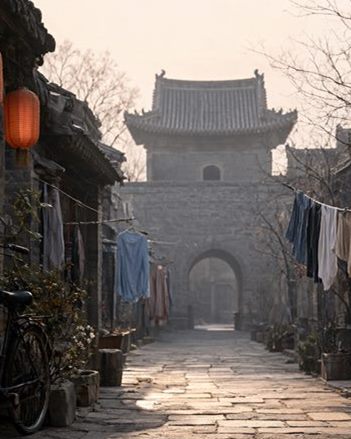
- Sunrise
- 06:12mid-October, Beijing
- Breakfast
- ¥7–12jianbing, youtiao, soy milk
- Ping-pong
- 06:40concrete table, net of bricks
- Public toilet
- End of lanefree, tiled, no paper
The first thing you notice at half past six is not the light, it is the sound of sweeping. Somebody is always sweeping a hutong: a straw broom on flagstones, slow, with a pause at each doorway. The second thing is the birds — cages hung on the plane-tree branches at head height, a thrush in each one, and their owners standing in a loose circle saying nothing at all.
This is Dongcheng, four lanes east of the Drum Tower, and the morning runs on a schedule that has barely changed since the coal was banned. Sweep, birds, breakfast, ping-pong, school run at ten past seven. The visitors arrive at nine, by which time the lane has been tidied and the bins emptied twice.
Breakfast, standing up
The cart appears around 6:20: a three-wheeled flatbed with a griddle and a woman in an apron who has sold from it for eleven years. Jianbing first — a ladle of batter spread thin, an egg cracked over it, spring onion, a sheet of crisp fried dough, chilli or no chilli, folded into a square of paper. ¥7, ¥10 with sausage. You eat it standing, and you are expected to finish it before it goes soft.
Two doors down a steamer is already going: baozi at ¥2 each, pork or greens, and a pot of soy milk served hot and either sweet or savoury depending on which part of the country the vendor came from. Further north, near the market, a man is frying youtiao in pairs of sticks while another drinks douzhi, the fermented mung-bean liquid that tastes like a lawn left out overnight. He will offer you a bowl. Say yes once.
Nobody in the lane is performing a traditional way of life. They are eating breakfast at seven in the morning because that is when breakfast is. Field desk · Dongcheng, Beijing
Ping-pong between two doorways
By 6:40 the table is occupied. It is a concrete slab on steel legs, permanently in the lane between two courtyard gates, and the net is a row of broken bricks. Four men in their sixties, tracksuits, a flask of tea on the windowsill, and a game far better than the setting suggests. The rallies last a minute; the argument about the score lasts longer.
There is a queue, informally agreed, and a rule that the loser keeps the table until somebody beats them. The sound carries the length of the lane: a flat wooden clack, a pause, then the ball being fished out of a drain. You can watch from the stone drum at the corner. Do not offer to play unless you are genuinely good. The invitation is polite and the humiliation is public.
The demolition question
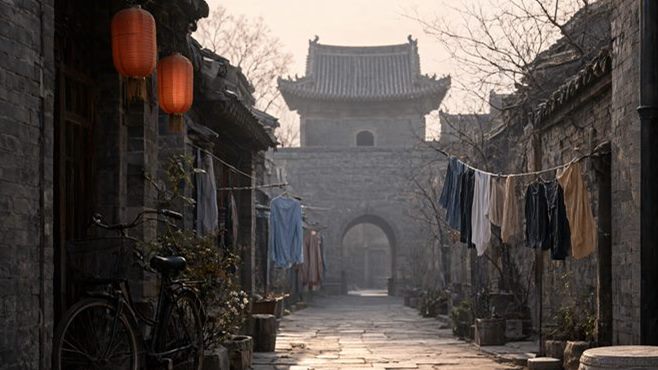
Every hutong article ends here, and the residents are tired of it, but it is what the lane is actually about. Under the current programme the word is tengtui — vacate and renovate — rather than demolition. Courtyards are emptied, tenants are rehoused in tower blocks beyond the fifth ring road, the brickwork is repointed, and the resulting siheyuan is let to a design studio or cut into four guest rooms at ¥900 a night.
On this lane two gates have the grey metal doors of a vacated property and a paper notice that has been read until it went soft. Next to them a family has lived in the same two rooms since 1978 and has watched three neighbours leave in eighteen months. The wife says the lane is quieter now, and means it as a complaint.
The official position is that large-scale demolition has stopped, that the historic core is protected, and that the remaining lanes number somewhere around a thousand — the figure depends on how you define a lane and who is counting. The position on the ground is that the grey brick survives and the people who made it a neighbourhood largely do not.
Nine o'clock, and the other lane
At nine, coaches unload at the mouth of the commercial street one block west. The shops open, the same fridge magnets come out, and the lane with the ping-pong table goes back to being a corridor with a public toilet at the end of it. That toilet is free, tiled, has no paper, and is the reason for a separate field note.
Walk the lanes between 6:30 and 8:30 and you see the neighbourhood working. Walk them at eleven and you see the version built for you. Both are real. Only one of them will still be here in ten years, and it is not the one with the fridge magnets.
Walking it without being a nuisance
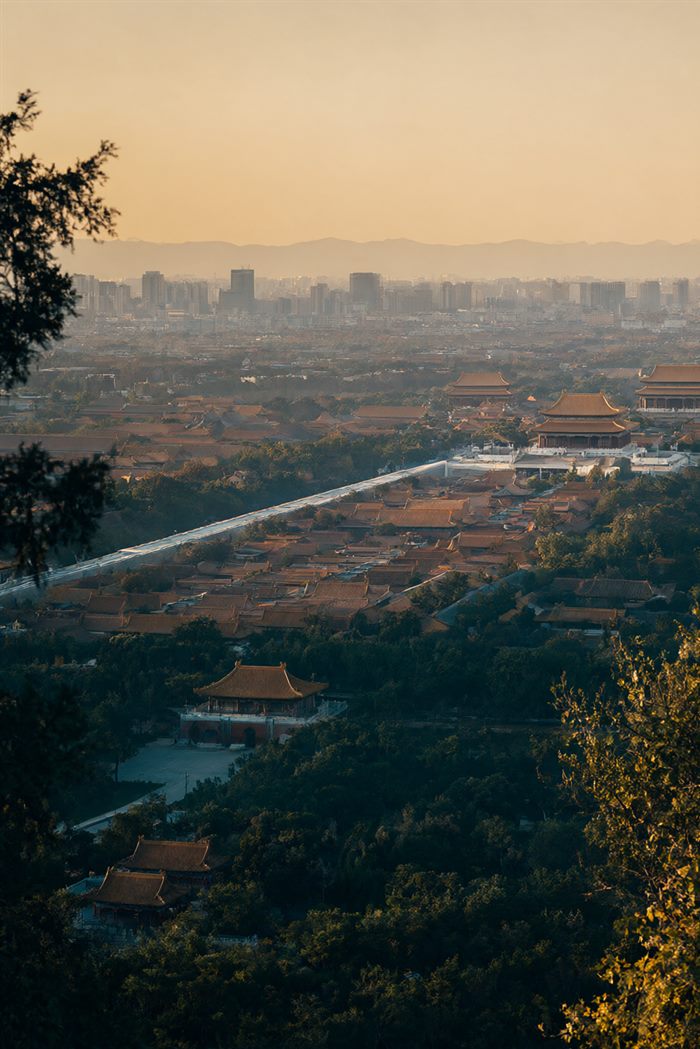
Start at the Drum Tower metro exit at 6:30 and walk east, then north into the lanes behind the market. Skip the commercial street entirely. It opens at nine and belongs to somebody else.
Buy something. A ¥7 jianbing is the cheapest permission slip in Beijing. Ask before photographing a doorway, and never photograph inside an open courtyard gate — that is a living room.
Carry tissues. The public toilet at the north end of the lane is free, tiled, and has neither paper nor a Western pan.
Questions travellers ask
- Can you just walk into any hutong?
- Yes. The lanes are public streets and nobody will stop you, but the courtyards behind the gates are homes. Walk the lane, greet the person sweeping, and treat an open gate as a front door rather than an invitation. The lanes north and east of the Drum Tower are the least commercial.
- What time should you go?
- Be in the lane by 6:30, when the breakfast carts are out and before the school run. The light is best between 7:00 and 8:00 in autumn, when it comes in low from the east and the washing throws shadows across the brick. By 9:30 the coaches have arrived.