Field notes · No. 11 · Suzhou
By the ChinaTravel.fly field desk 6 min read Updated Nov 2026
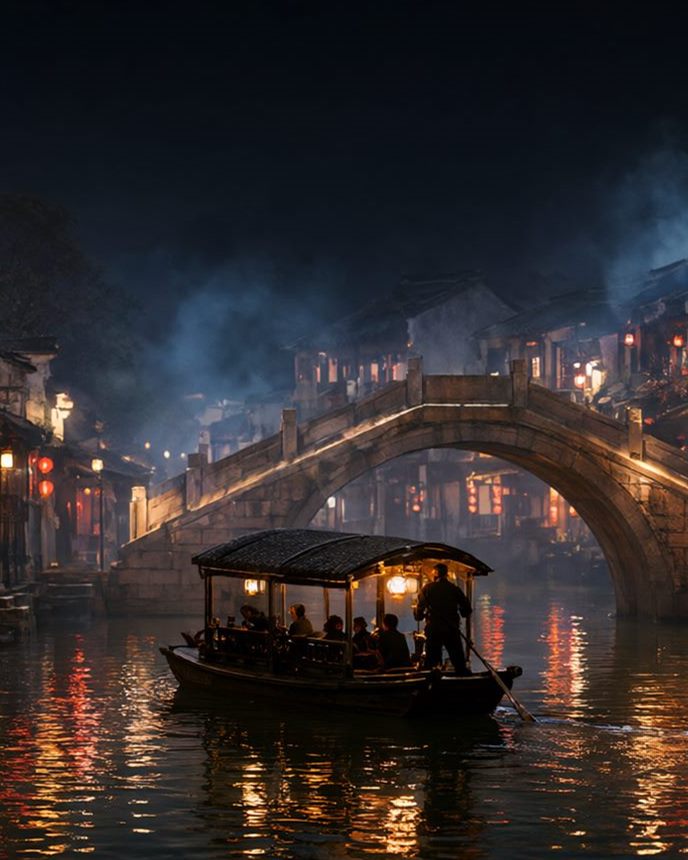
- Opens
- 7:30last entry 17:00; the garden closes at 17:30 in summer
- Ticket
- ¥70–80peak April–October; Master of the Nets is ¥40
- Size
- 5.2 hathe largest of Suzhou's nine UNESCO gardens
- Built
- 1513by a retired official with time on his hands
At ten past seven the street outside the Humble Administrator's Garden is still a street: a woman hosing the pavement, two men with a trolley of cabbages, a shop putting out brushes and ink stones. The ticket office opens at half past, and by twenty-five past there are fifteen of us at the gate, most with a flask of tea. Nobody is in a hurry. That is the first sign you have timed it correctly.
Which garden, and which gate
Suzhou has nine gardens on the UNESCO list and thirty worth a detour. The Humble Administrator's is the biggest and most crowded: five hectares, a central pond, three sections, 8,000 visitors on a busy day. The Master of the Nets is the smallest and quietest, ¥40, seen in forty minutes. The Lion Grove has the rockery children disappear into. The Canglang Pavilion is the oldest, ¥20, and belongs to the people who do taiji in it at seven.
For a first visit, choose the Humble Administrator's and go at opening. Not because it is the best garden — the Master of the Nets is more beautiful per square metre — but because it shows you what the form is for: a sequence of framed views, each built to be seen from a particular seat at a particular hour. At 7:30 you can walk it almost alone, which is the only condition under which the sequence works.
What the first twenty minutes buy
At 7:32 there were twenty-two people inside a five-hectare garden. The pond was flat, mist was still in the far corner, and the only sounds were a broom and a blackbird. By 8:00 there were perhaps a hundred and fifty, spread out and mostly quiet. By 9:15 there were tour groups with flags, a loudspeaker describing the pavilion we were standing in, and a queue at the moon gate for a photograph of a doorway.
The garden is not a park. It is a set of rooms without roofs, connected by corridors that turn so you cannot see the next view until you arrive at it. Every window frames a branch or a stone, and every pavilion is named for the view it holds. Put three hundred people in that sequence and it stops being a sequence: you are no longer being led, you are being queued. Put twenty in it and it works as the builder intended in 1513.
A classical garden is not a place you look at. It is a route someone designed four hundred years ago to decide what you see next, and a crowd is the one thing that breaks it. Field desk · Dongbei Street, Suzhou
The walk that works
Enter at the main south gate and do not stop in the first courtyard. Everyone stops there, because there is a rockery and a hall and it looks like the garden. Walk through, turn left along the eastern wall, and follow the covered corridor until the pond opens up. Four minutes, and you are at the far end of the water while the rest of the 7:30 group is still reading the map.
From there: the Little Flying Rainbow, the covered bridge that lifts over the water, then across to the island pavilion, then the Hall of Distant Fragrance on the north bank, which has the best view back across the lotus pond and the borrowed North Temple Pagoda above the trees. In July the lotus is a solid green field with pink on it; in April the pond is water and reflection and the willows are the colour of new tea.
The 7:30 plan
Buy the ticket online the night before and be at the gate at 7:20. The first twenty minutes are worth more than any other hour, and the queue at the window can eat fifteen of them.
Go left, not straight. The eastern section is where the crowd bottlenecks; the western pond and the bonsai garden stay empty until about nine.
Bring a light coat. The garden is at its best in rain and just after it, when the stone is dark and the reflections double. Umbrellas are fine; tripods are not allowed in the busiest halls.
What the crowd does to a garden
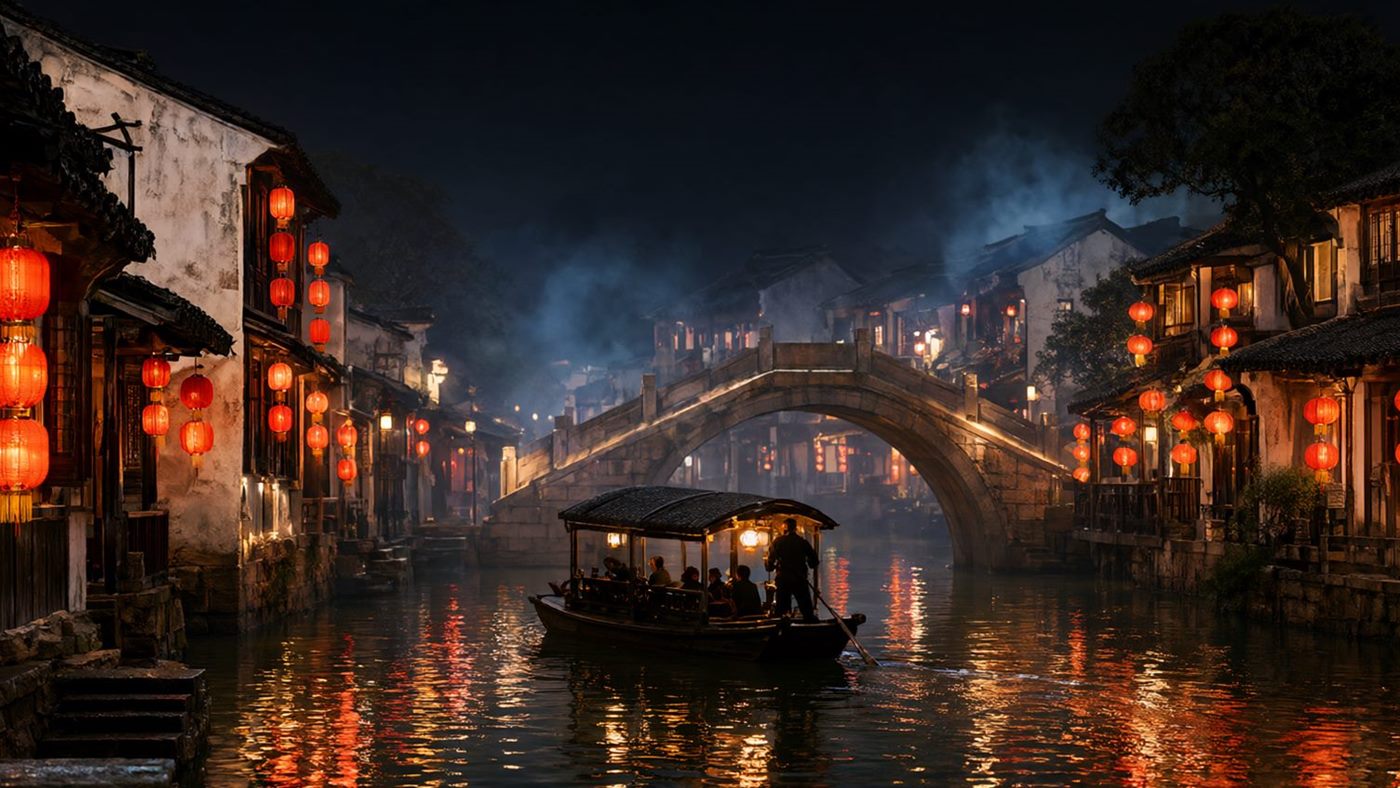
It is not snobbery to say the garden is worse at eleven; it is physics. The sightlines are three to fifteen metres and designed for two people to stand in. Thirty people with a flag fill the corridor, block the window, and turn the framed view into a wall of nylon. Worse is the loudspeaker: the garden was built around water and wind in bamboo, and a recorded voice at 85 decibels removes the thing you came for.
There is a way to have both. Do the famous garden at 7:30, leave at 9:00, and spend the rest of the morning in the smaller ones: the Master of the Nets at 9:30 is still calm, and the Canglang Pavilion at 10 is full of locals playing cards under the bamboo. By then you have seen the form at its best and the city at its ordinary, which is the better combination.
Afterwards, the ordinary city
The street outside has woken up by nine. A noodle shop two doors down sells shrimp-and-pork noodles for ¥22, and a man across the road presses sesame cakes in a drum oven. The Suzhou Museum, I. M. Pei's last building and free, is a hundred metres away with a queue by half nine; go at 4pm, when it thins. Pingjiang Road is best at 7am, before the shops open.
Questions travellers ask
- Which Suzhou garden is best at opening time?
- The Humble Administrator's Garden, for the first visit: it opens at 7:30, is the largest, and shows the full sequence of framed views. For quiet, the Master of the Nets at 7:30 has half the visitors. Avoid the Lion Grove before nine if you want the rockery to yourself.
- How long do you need at the Humble Administrator's Garden?
- Ninety minutes at an unhurried pace, or forty-five if you follow the main route and skip the bonsai garden. Arrive at 7:20, walk the pond and the west section first, and leave by nine when the tour groups arrive. The ticket allows a single entry.