Field guide · Tibet
By the ChinaTravel.fly field desk 7 min read Updated Nov 2026
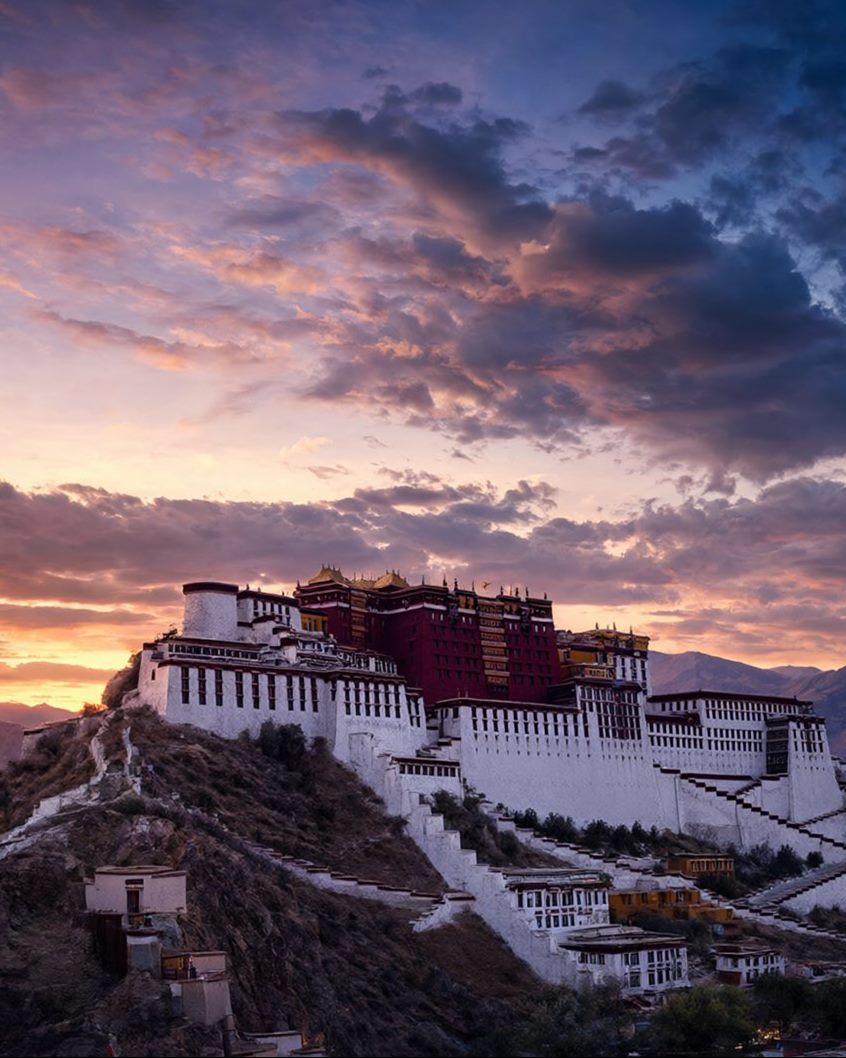
- Permit
- ¥300–800via a licensed agency, never direct
- Processing
- 10–20 dayslonger in July and August
- Guide
- Compulsory¥500–800 a day, plus a vehicle
- Lhasa
- 3,650 mthe train climbs slowly; flights do not
- Train
- 21 hXining to Lhasa, soft sleeper ¥781
Tibet is the only part of China where a foreign passport is a logistics problem rather than a formality. You need a Chinese visa first, then a Tibet Tourism Bureau permit arranged through a licensed agency, then for anywhere outside Lhasa a second permit, and sometimes a third. None of it is difficult. All of it is sequential, and the sequence takes weeks.
The rules are administrative, change without much notice, and are enforced at the airport gate rather than explained anywhere. Treat every date below as a planning assumption and confirm with your agency a month out. That is not a disclaimer; it is how the system works.
Who needs what
- Tibet Tourism Bureau permit. Everyone entering the Tibet Autonomous Region, Lhasa included. Arranged by a registered Tibetan agency, never by you, ¥300–800 depending on season and group size.
- Alien's Travel Permit. For Shigatse, Nyingchi, Shannan and Ngari counties — anywhere beyond Lhasa. ¥50–200, applied for after arrival, usually one to two days.
- Military permit. For Ali/Ngari and some border roads, including the Everest approach. Extra days, extra cost, not always granted.
- Chinese visa. A standard tourist visa. Visa-free transit entries are not accepted for Tibet, so the 240-hour rule does not help here.
The group rule, as it works
Foreigners must travel with a licensed guide and a registered vehicle, and independent travel is not permitted. In practice, agencies sell private tours to two or more people; a solo traveller either pays a single supplement — effectively ¥500–900 a day — or joins a group departure. Some agencies stop taking solo bookings in peak season because the paperwork is the same for one person as for six.
The permit lists your name, passport number, route, guide and vehicle. Without the original paper you cannot board a flight or train to Lhasa, and a photograph of it will not do. Agencies courier it to your hotel in Chengdu or Xining two or three days before departure, for ¥20–50, which is why the itinerary has to be fixed before you leave home.
Train or flight
The train from Xining takes 21 to 22 hours, costs ¥495 in a hard sleeper or ¥781 in a soft one, and crosses the Tanggula pass at 5,072 metres with oxygen piped into the carriage. The gradual ascent gives your body something to work with, the scenery is the point, and you arrive in daylight having slept badly but arrived.
Flying from Chengdu takes two hours and costs ¥1,200–2,500. You step off at 3,650 metres with no acclimatisation at all, which is fine for most people and miserable for some. If you fly, book two slow days in Lhasa and do not plan the Potala for the first one. If you take the train, spend a night in Xining at 2,200 metres first — it is a cheap insurance policy.
Altitude, honestly
Lhasa sits at 3,650 metres. A headache, broken sleep and breathlessness on stairs for the first 48 hours are normal and pass. Breathlessness at rest, vomiting, confusion or a cough that will not stop are not normal, and the answer is to descend, not to push on. Acetazolamide, 125 mg twice a day starting the day before arrival, is the standard preventative; ask your doctor, because it interacts with other drugs and is not for everyone.
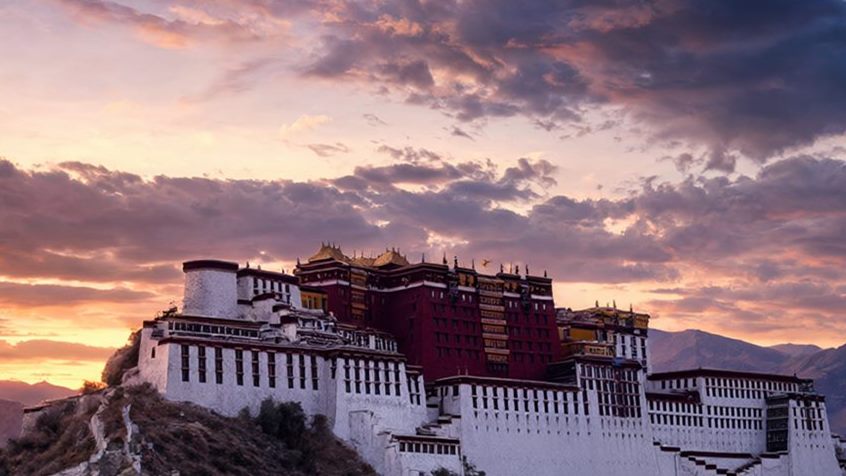
The first day: walk slowly, drink three litres, eat carbohydrates, sleep with the window open, no alcohol, no gym. The Potala climb is 300 steps from the street to the ticket hall, and doing it on day one is how people end up sitting on a wall for an hour. Book it for day three, when your body has stopped complaining.
Potala tickets are separate from the permit: ¥200 in high season, ¥100 in winter, timed to the hour, with an hour allowed inside and no re-entry. Agencies usually book them with the tour, which means the palace sets your schedule before you land. A morning slot is better than an afternoon one, and both are better than the 11:00 crowd.
What it costs
| Item | Cost |
|---|---|
| TTB permit | ¥300–800 |
| Alien's Travel Permit | ¥50–200 |
| Guide | ¥500–800 per day |
| Vehicle and driver | ¥800–1,500 per day |
| Four-day private Lhasa tour | ¥3,000–5,000 per person |
| Soft sleeper, Xining–Lhasa | ¥781 |
The permit is not a formality and not a scam. It is a permission system, and the agencies that navigate it are the only way in — so put the paperwork first on the itinerary, not last. Field desk · Lhasa, 3,650 m
Where you cannot go
Some counties are closed to foreigners entirely and the list is not published. March is historically sensitive, and agencies sometimes stop issuing permits for weeks around anniversaries; if your dates are flexible, avoid it. Do not photograph checkpoints, police, military vehicles or bridges with guards on them, and do not argue about it if asked to delete a picture.
Monasteries are generally open and generally charge ¥10–30 for photography inside a chapel, or forbid it outright. A monk pointing at your camera is not being difficult; the murals are 400 years old and the light is not helping. Put the camera down, look at the room, and you will remember more of it anyway.
Questions travellers ask
- How long does a Tibet permit take?
- Ten to twenty working days through a licensed agency, longer in July and August. You need the Chinese visa first, because the permit is issued against the visa number. Add two to three days for the courier to your hotel in Chengdu or Xining.
- Can you travel to Tibet independently?
- No. Foreign passport holders must travel with a licensed guide and a registered vehicle, and the permit names both. Solo travellers can go, but usually pay a single supplement or join a group departure. Independent rail and hotel bookings are possible; independent movement around the region is not.
- Is the train to Lhasa better than flying for altitude?
- Usually, yes. The 21-hour train climbs gradually and most people arrive with only mild symptoms. A two-hour flight puts you at 3,650 metres with no acclimatisation. Either way, plan two slow days, and see a doctor about acetazolamide before you travel.