Field notes · No. 29 · Lhasa
By the ChinaTravel.fly field desk 7 min read Updated Nov 2026
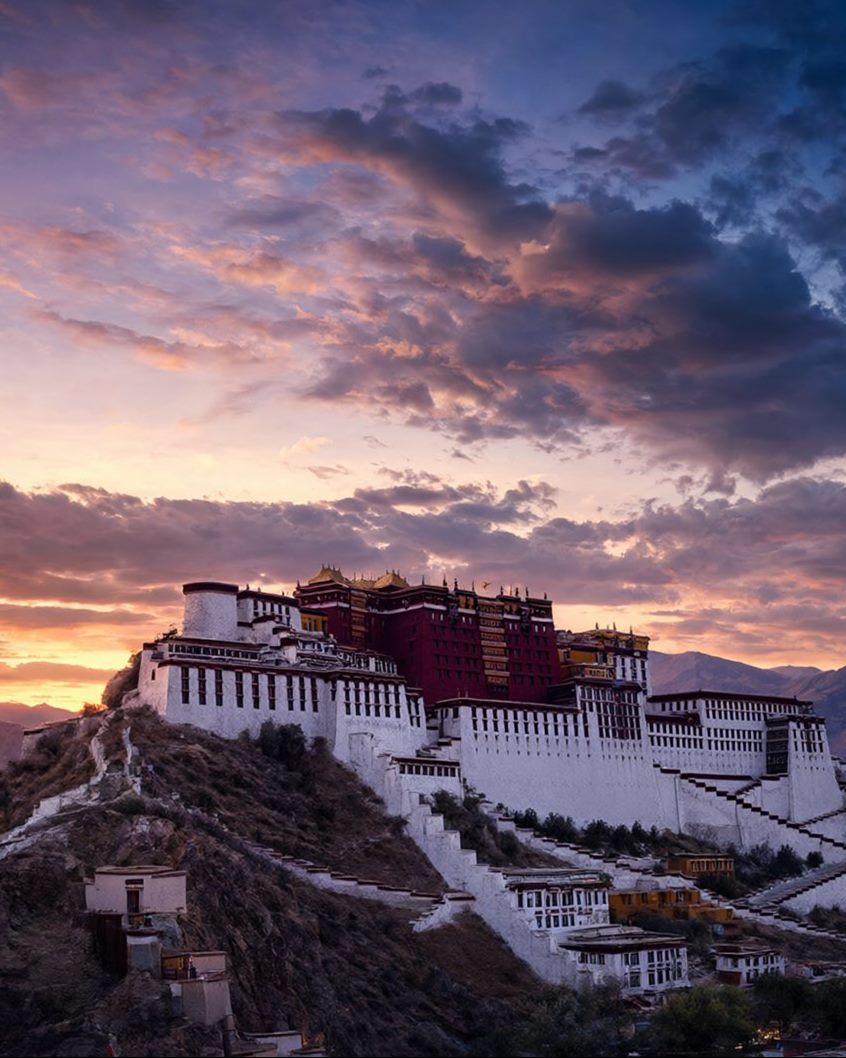
- Altitude
- 3,650 mthe airport is at 3,570 m; the pass on the road is higher
- Oxygen
- 68%of sea-level pressure, roughly; saturation drops to 88–93%
- Butter tea
- ¥5–15a flask for the table; teahouses charge by the cup
- First day
- 2–3 kmwalking, slowly; no stairs you can avoid
The flight lands in the afternoon and everything is fine. That is the trap. You collect your bag, notice that the air is thin in the way a high building is thin, take a taxi past the river, check in, and feel quietly pleased with yourself. Then you sleep for two hours because the journey was long, and wake at four with your heart going and a headache that has been building since midnight. The altitude has been working on you all along.
Our room was on the third floor of a hotel near the Barkhor, and the stairs were the first honest test. Twelve steps, a landing, twelve more, and at the top a pulse you could hear. The room had a kettle, two sachets of instant coffee and a laminated card advising guests to rest. It did not have a window that opened more than ten centimetres, which is standard, and which matters more than the card.
What the first night is actually like
Sleep comes in pieces. You go under at ten, wake at half eleven convinced it is morning, sleep again, and then hit the hour that everybody hits, somewhere between three and five, when the headache arrives and the room is too dry to breathe in. The air holds almost no moisture, so you wake with a throat like paper and a nose that has decided to bleed a little, which is normal and still alarming.
The useful numbers are simple. A fingertip oximeter, sold in every pharmacy on the Barkhor for ¥30–60, will read 88–93 per cent in a healthy newcomer, against 97 at home, and a resting pulse ten to twenty beats above your usual. Those numbers are not a diagnosis but a way of telling the ordinary misery of a first night from the thing worth worrying about: a headache that will not shift, vomiting, or breathlessness while sitting still.
Butter tea, and the case for drinking it
By seven the teahouses are open and the streets smell of juniper and fried bread. Butter tea is tea, yak butter and salt churned and served hot from a flask, and the first mouthful is a shock: savoury, greasy, faintly of the animal. By the third you understand why the plateau runs on it, because it is fluid, salt, calories and warmth at once.
It is not a cure and nobody in the teahouse will pretend it is. What it does is make the morning bearable: the salt helps with the headache, the fat slows you down, and the ritual of sitting with a flask for forty minutes is exactly the pace the day needs. Sweet tea, the milky kind served by the glass, is the other option and is easier on a nervous stomach. Order both. Nobody will think it strange; the table next to us had two flasks and a plate of momos at half past eight.
Lhasa does not ask you to acclimatise. It simply refuses to go any faster than your lungs, and after a day you stop arguing and adopt its speed. Field desk · Barkhor, Lhasa
The pace you have to adopt
At home you walk a kilometre in twelve minutes. Here it takes twenty, and the twenty is not optional. The adjustment is not just speed but rhythm: short steps, a pause at every corner, and a willingness to stop entirely and look at something for a while. Pilgrims do this instinctively: clockwise around the Barkhor, a hand-mill in one hand and beads in the other, stopping at the same three corners every circuit. They are not in a hurry because hurrying is what makes people ill.
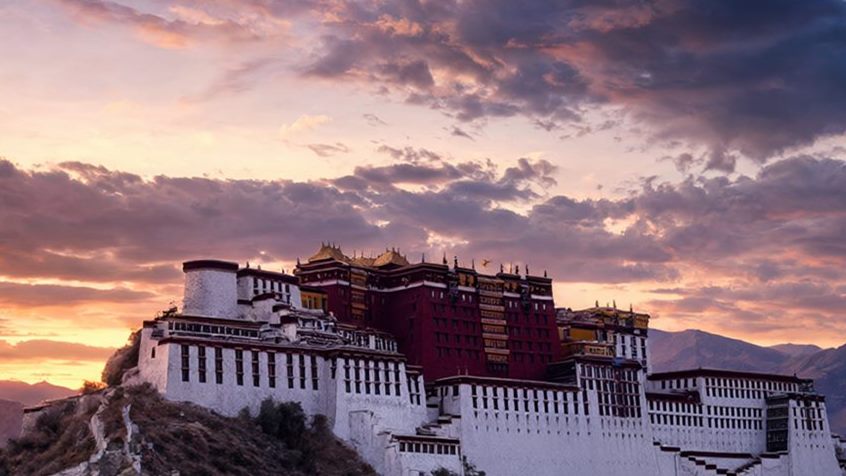
The Potala is the test case. There are more than two hundred steps from the road to the entrance, spread over a climb of about 117 metres, and the timed ticket gives you an hour inside. Take the steps at pilgrim pace, stop on the landings, and let the queue go past; the hour inside starts at the top, not at the bottom, and no one has ever been refused entry for being slow on the stairs.
What to do with the first day
Nothing ambitious. Walk to the Barkhor in the morning, sit in a teahouse, walk one circuit, eat something with rice in it, and go back to the room for an hour in the afternoon. Drink more water than you think is reasonable — two to three litres — and skip the beer, which is the single most reliable way to turn a headache into a night you will describe to people afterwards. Shower if you want to; the old advice about not washing is folklore, and being cold and dirty does not help anybody acclimatise.
The second morning is different. You wake at six rather than four, the headache is a shadow rather than a hand, and the stairs are merely stairs. That is the whole arc of it: one bad night, one slow day, and by the third morning you are walking to the monastery at Sera at a pace that feels almost normal, until a hill reminds you where you are. Give the city two nights before you give it a schedule, and it will let you have one.
The first 24 hours
Sleep when you arrive, but not for four hours. A short nap, a walk, an early dinner and a long night is a better shape than an afternoon in bed and a wide-awake 3am.
Pack lip balm, a refillable bottle, a hat and sunglasses. The sun at this altitude burns through cloud, and the dryness is more of a problem than the cold. Diamox is worth discussing with a doctor before you fly, not after you land.
Questions travellers ask
- How bad is altitude sickness in Lhasa?
- Most visitors get a headache, poor sleep and breathlessness on stairs for the first day or two, then improve. Serious cases are uncommon at 3,650 metres but not rare. A headache that will not respond, vomiting, confusion or breathlessness at rest means medical help, not another cup of tea.
- Should you fly or take the train to Lhasa?
- Flying is quicker and hits harder; the train climbs over a day and a half and softens the arrival, though the pass at 5,072 metres is its own event. Neither prevents altitude illness. Whichever you choose, plan two nights in Lhasa with nothing scheduled before you go anywhere higher.