Month · December
By the ChinaTravel.fly field desk 6 min read Updated Nov 2026
- National range
- −28 to 21°CHarbin nights to the Guangxi lowlands
- Rain
- 2–50 mmsnow in the north, drizzle in the south
- Crowds
- lowHarbin fills from about 25 December
- Daylight
- 9h 20mBeijing, roughly 07:25 to 16:50
- Prices
- lowBeijing ¥300–500; Harbin ¥450–800
The winter solstice falls on 21 December, and the short days are the defining constraint of the month: nine and a half hours of daylight in Beijing, under nine in Harbin, and a sun that sets before five almost everywhere north of the Yangtze. Sightseeing becomes a matter of starting early and finishing in the dark.
What you get in exchange is emptiness. The Forbidden City in December is quiet on any weekday, the Wall has no queue, Lhasa is all but deserted, and hotel rates are at their annual floor outside Harbin. It is the best month of the year for anyone who cares more about the place than the weather.
Cold north, damp south
Beijing is 3°C by day and −7 at night, dry and often brilliantly clear. Xi'an is 5°C. Shanghai is 10°C with damp air and a wind off the river that makes it feel like four; the buildings are not insulated and the restaurants leave the door open. Guilin is 13°C and misty, Kunming 15°C and sunny, Lhasa 7°C with nights at −10.
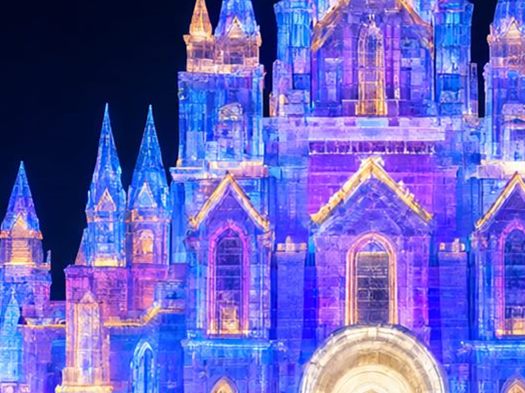
Harbin is the outlier in every sense: −7°C by day early in the month and −13 by the end, with nights near −25, and a city that functions perfectly at those temperatures. The Songhua freezes over in the first half of the month, the ice blocks are cut, and the park is rebuilt in about three weeks.
| Region | Weather | Crowds | Verdict |
|---|---|---|---|
| North | −7 to 5°C, dry and clear | Low, except Harbin | Empty sights; Harbin for the ice |
| Silk Road west | −12 to 5°C, sun, bitter nights | Almost none | Mogao is private; passes may close |
| South-west | 5–17°C, dry sun in Yunnan | Low | Yunnan is the warm half of the country |
| Yangtze delta | 5–12°C, damp and grey | Low | Museums, gardens, cheap hotels |
| Karst south | 10–16°C, mist and drizzle | Lowest of the year | Moody and cheap; the river is quiet |
Where to go this month
North. Beijing at 3°C, with the palace halls in low winter light and the lakes beginning to freeze by the end of the month. The Wall at Jinshanling is a serious walk in the wind but you will have it alone. Harbin from the 25th is the reason most people come north at all.
Silk Road west. Dunhuang is −4°C and almost empty; the caves are cold inside and you will be shown round by a guide with nothing else to do. Lhasa is 7°C and sunny, with permits more restricted in winter and the Barkhor full of pilgrims rather than tour groups. High passes can close without notice.
South-west. Kunming at 15°C and Dali at 14 are the mildest places on the list, and the terraces at Yuanyang are flooded and mirror-like again as the new cycle starts. Xishuangbanna is 24°C and tropical. Sichuan is grey and cold in the basin, with Jiuzhaigou largely shut for the season.
Yangtze delta. Shanghai at 10°C is a city for indoors: museums, restaurants, the river at dusk, and hotel rates the lowest of the year. Suzhou's gardens in a rare light snow are worth the cold. The canal towns are empty enough that the shopkeepers look surprised.
Karst south. Guilin at 13°C with mist that erases the peaks one minute and reveals them the next. The Li river runs low and clear, the cruise boats are half empty, and Yangshuo is as cheap as it gets. It is not warm, but it is the most atmospheric month for photographs.
December is the month China does its accounts: the sights are open, the prices are down, and the only thing in short supply is daylight. Field desk · Beijing, 4:40pm, 12 December
The ice, and the turn of the year
Harbin's ice park trial-opens in the last week of December, usually around the 25th, and the official season runs from early January to late February. That week is the sweet spot for a first visit: the sculptures are finished, the crowds are smaller than January's, and the prices have not yet peaked. Check the opening date before booking flights.
New Year's Day is a one-day public holiday in China, not a week. Christmas is commercial rather than public: hotels decorate, malls sell trees, and nothing closes. The date that matters is further out — Spring Festival falls on 6 February 2027, and the rail rush begins about three weeks before.
New Year in a Chinese city
Book dinner for New Year's Eve. Restaurants in Shanghai and Beijing run set menus and fill two weeks ahead, and the good ones do not take walk-ins.
Expect fireworks in smaller towns and nothing official in the big cities, where letting them off is restricted.
Check museum hours between 1 and 3 January. Some close for inventory, and the Forbidden City sells timed slots that go faster over the holiday.
What to book, and when
Harbin is the one place that needs forward planning: eight weeks for accommodation in the last week of December, and the ice park tickets as soon as your dates are fixed. Lhasa permits take ten to twenty days and are harder in winter. Everything else can be booked a week out; Mogao needs three days, the Forbidden City is nearly walk-up. Trains for New Year open fifteen days ahead and are busy on 31 December and 2 January.
What December costs
Low season almost everywhere, with a Harbin premium after the 25th. Beijing hotels run ¥300–500, Shanghai ¥320–520, Guilin ¥200–350, Chengdu ¥280–450, Lhasa ¥250–420. Harbin is ¥450–800 in the last week, double the November rate, and rising through January.
Questions travellers ask
- Is December a good time to visit China?
- Yes, if you want empty sights and low prices. Beijing is dry and clear at 3°C, Shanghai is a damp 10°C, and Yunnan stays near 15°C in the sun. Harbin's ice park opens in the last week. Days are short, so plan one major sight a day and keep the evenings for food and museums.
- When does the Harbin ice festival open?
- The park trial-opens in the last week of December, usually around the 25th, and the official season runs from about 5 January to late February. The last week of December has finished sculptures and smaller crowds than January. Book accommodation eight weeks ahead, and bring boots with a real sole.