Region · Southwest China
By the ChinaTravel.fly field desk 6 min read Updated Nov 2026
Geographically this is a basin ringed by mountains, which explains almost everything about it: the food is hot and numbing because the climate is damp, the pace is slow because the heat is heavy, and the region has always been a place to hide from the north.
Three different southwests
Chengdu is the capital of doing nothing: bamboo chairs, bottomless tea, pandas at dawn and a food culture that treats chilli as a seasoning rather than a punishment. Chongqing, three hours east by rail and a completely different animal, is a city of eleven vertical levels, where a monorail passes through an apartment block and the river fog smells of hotpot.
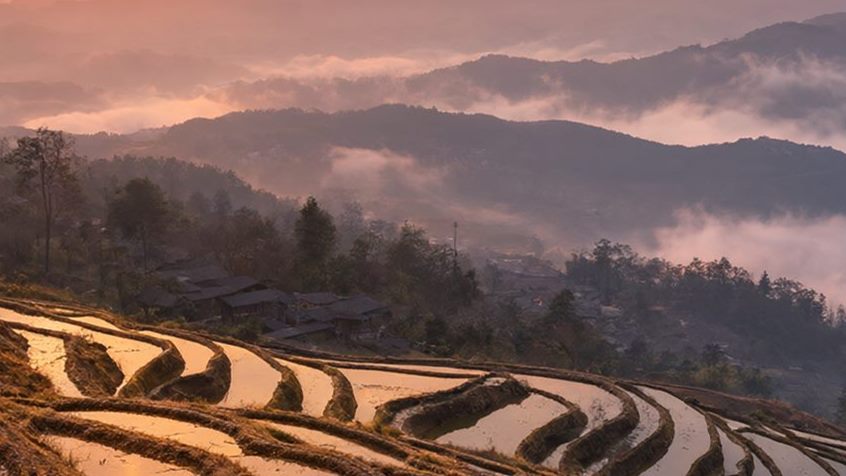
Yunnan is the third thing entirely — high, dry, ethnically diverse, with terraces at Yuanyang that fill with water in December and mirror the sky for a thousand hectares. It is the only part of the southwest where you need a warm coat at night in winter.
The rail spine
Chengdu to Chongqing is 62 minutes on the high-speed line and about ¥154. Chengdu to Kunming is six and a half hours; Kunming to Jianshui, the gateway to Yuanyang, is two more. Flights are cheap and frequent between all three capitals if time matters more than the view.
The southwest is the only region where the correct itinerary is to eat first and plan second. Field desk · Sichuan basin
When it works
March to May and September to November are the comfortable months: warm, green, occasional rain. Chengdu is genuinely year-round — it is grey and humid in winter but nothing closes. Chongqing in July and August is one of the hottest cities on earth and should be avoided by anyone who dislikes 38°C at midnight. Yuanyang's terraces are at their photographic best from December to March, when the paddies are flooded.
How to sequence it
Eight days is a good shape: three in Chengdu including a panda morning and a day trip to Leshan or Jiuzhaigou, two in Chongqing for the food and the river, then fly to Kunming and spend three nights around Yuanyang. Add two days if you want Dali and Lijiang, which are scenic and heavily touristed in equal measure.
The chilli calibration
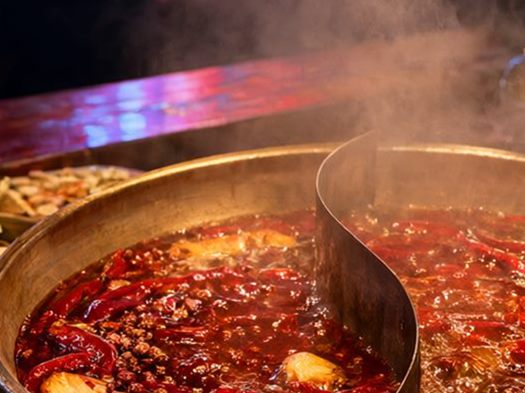
Chengdu's food is ma la — numbing and hot, with Sichuan pepper doing the numbing. Chongqing's is hotter and rougher. If you are new, ask for wei la (slightly spicy) and order a divided pot; nobody will be offended.
The other thing to know is that rice is not always served with hotpot. Ask for it, or accept that the meal is the pot.
Questions travellers ask
- Is Chengdu or Chongqing better for food?
- Chengdu is more varied and gentler, with teahouses, dumplings and a wider restaurant scene. Chongqing is more intense and narrower: hotpot, noodles and river fish, done with more heat. Do both if you can — they are 62 minutes apart by rail.
- When are the Yuanyang rice terraces flooded?
- From roughly December to March. January and February are peak: every terrace is full, the light is low and the villages are quiet. Outside that window the terraces are green or harvested, still beautiful but not the mirror image people come for.