Region · East China
By the ChinaTravel.fly field desk 6 min read Updated Nov 2026
Jiangnan means 'south of the river', and it describes a particular landscape: water, willows, whitewashed houses with black tiles, stone bridges, and a habit of building gardens so dense that you cannot see the wall from the pavilion.
Shanghai first
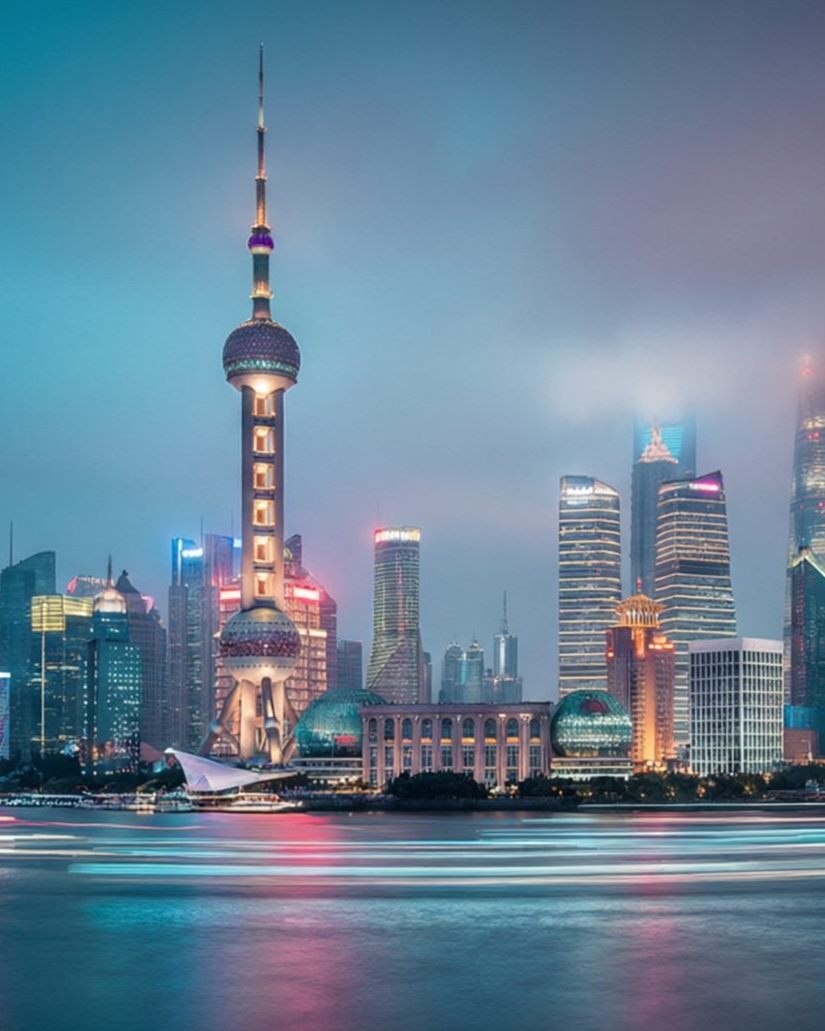
Shanghai is the easiest city in China to like. The Bund at blue hour, the ferry across to Pudong for ¥2, the plane trees of the former French Concession, the art-deco lane houses two blocks from the tallest skyline on earth. It is also the best place in the country to arrive jet-lagged: everything is walkable, the food is mild, and nobody minds if you sit in a café for three hours.
Then the water towns
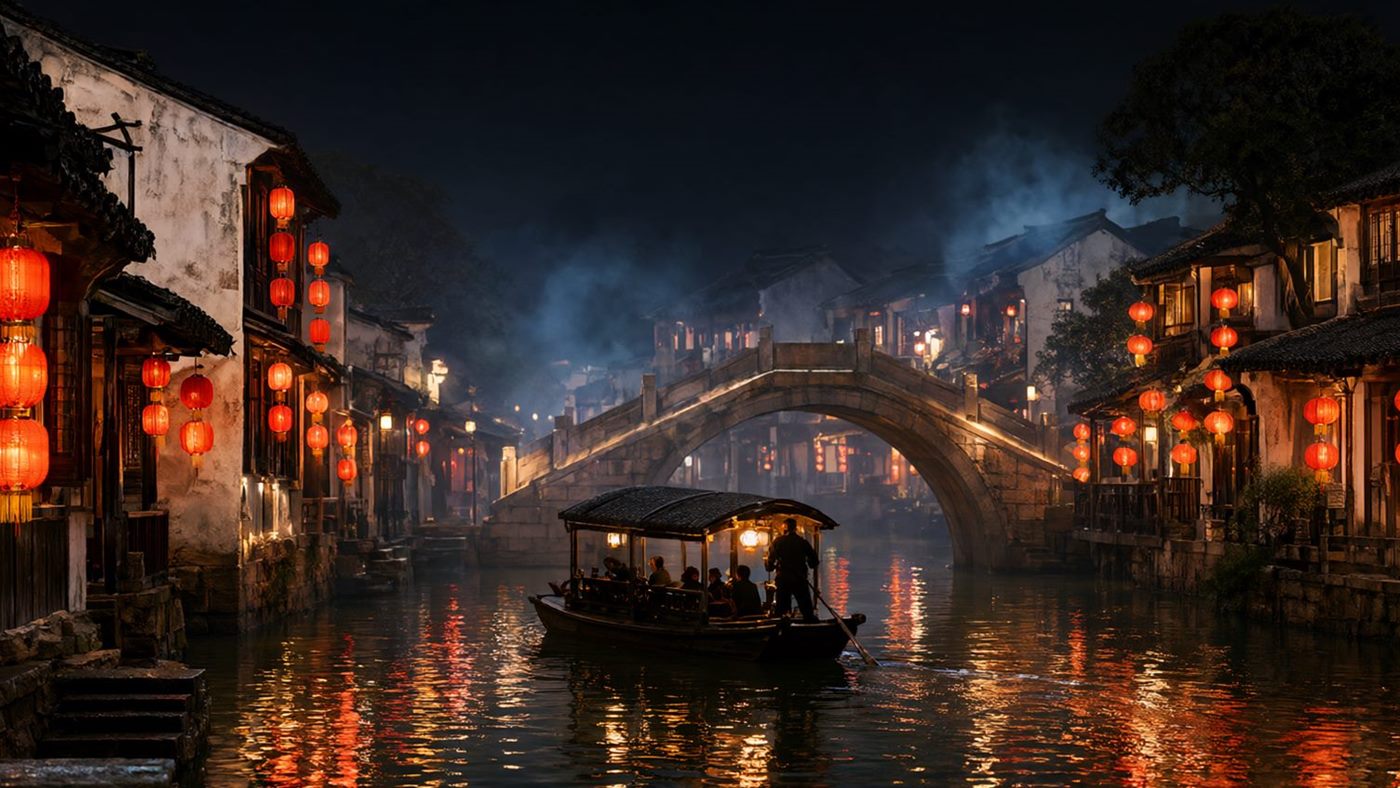
Suzhou is 25 minutes by high-speed rail and a different century. The classical gardens are small, exact and best seen in the first twenty minutes after opening. Pingjiang Road runs along a canal with teahouses and Kunqu opera drifting out of windows. From there, a bus or taxi reaches Tongli or Zhouzhuang — canal towns that are unbearable at 11am and extraordinary at 8pm, after the coaches leave.
Shanghai is a city you look up in. Suzhou is a city you look through, from one framed window to the next. Field desk · Jiangsu
The rail spine
| Leg | Time | Note |
|---|---|---|
| Shanghai → Suzhou | 25 min | every 10 min |
| Suzhou → Hangzhou | 1 h 20 | West Lake |
| Shanghai → Nanjing | 1 h 10 | Ming wall, museums |
| Shanghai → Beijing | 4 h 30 | high-speed |
When it works
April and May, then late September to November. Spring is plum rain and blossom; autumn is dry, clear and warm. July and August are humid and thundery, and the water towns smell like the canal they are. Winter is grey and cold but empty, and the gardens look their most austere, which some people prefer.
How to sequence it
Six days is a civilised shape: three in Shanghai, two in Suzhou, one in a water town. Add Hangzhou if you want West Lake and the tea hills, or Nanjing if you want a proper old capital with a Ming wall and the best museum in the region. The whole loop is doable by rail without a car.
The 240-hour rule, correctly
Shanghai is a 240-hour transit port, and the permission covers the Yangtze Delta: Shanghai, Jiangsu, Zhejiang and Anhui. That is enough for Shanghai, Suzhou, Hangzhou and a canal town in five days without a visa — a genuinely excellent use of the rule.
What it does not allow is a dash to Beijing. The country is divided into entry regions, and crossing between them on the transit clock puts you out of status. If you want both cities, use the 30-day visa-free scheme or a tourist visa.
Questions travellers ask
- Is Suzhou worth a night or just a day trip?
- A night. The gardens are best at opening, the canal streets are best after the day coaches leave, and Kunqu opera in a small teahouse usually starts in the evening. A day trip catches the two worst hours of both.
- Which water town should you choose?
- Tongli is the most complete and least theatrical. Zhouzhuang is prettier but busier. Xitang is good at night. All are reachable by bus or taxi from Suzhou in under an hour, and all are better after 6pm.