Season · Autumn
By the ChinaTravel.fly field desk 6 min read Updated Nov 2026
- Window
- 15 Sep–25 Octthe reliable six weeks; November is a second, colder one
- North
- 18–24°Cdaytime, dropping to 8°C at night
- Holidays
- 1–7 OctNational Day: avoid, or go far west
- Foliage
- early Octpoplars and maples peak in the north
Summer ends in the north with a wind that arrives in the second week of September and takes the humidity with it. The air clears, the light turns long and yellow, and the evenings drop to a temperature that makes a jacket necessary. In the south it happens later and less dramatically, but it happens: by early October Guangzhou is 30°C instead of 35, and by November it is pleasant.
This is the season the country's own travel industry calls 金秋, golden autumn, and sells hard. It is also the season when the selling is justified.
Why the light is different
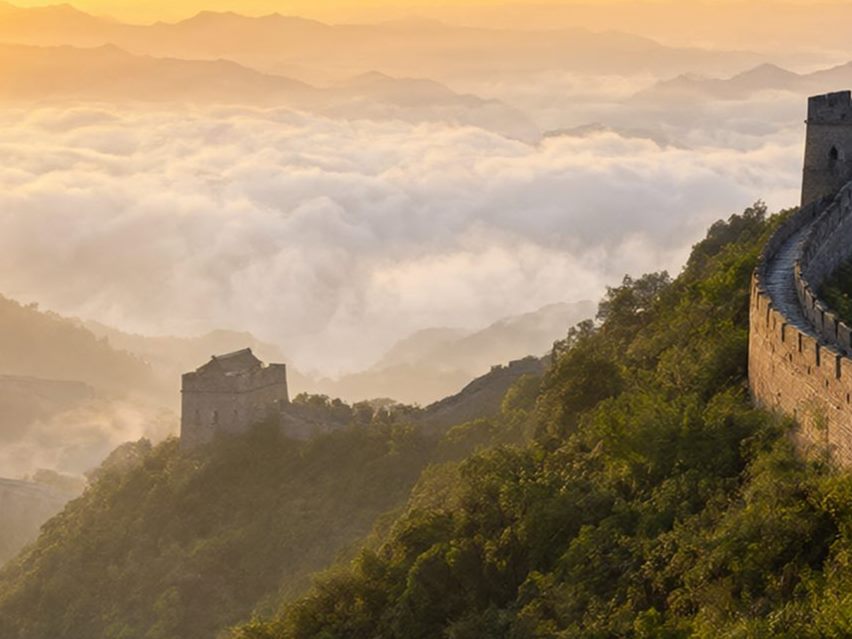
Two things change. The humidity drops, so haze clears and distant ridges become visible; this is the only time of year you reliably see the Wall running to the horizon, or the karst peaks layered behind each other at Guilin. And the sun sits lower for longer, so the working light lasts from about 7:30 to 10:00, rather than the twenty minutes you get in June.
For photography, this is the argument for September over any other month. For walking, it is the argument for October: 20°C, dry stone, and no need to carry three litres of water up a mountain.
Region by region
North. The best of it. Beijing from mid-September to late October is dry, blue and 20–24°C; the Wall's ridges turn gold and red in early October, and the poplars along the valleys follow. The Forbidden City is comfortable, the hutongs are at their most walkable, and the light on the grey brick is the reason photographers come back.
North-east. Harbin and the forests of Jilin are at their best in the last week of September, before the cold arrives. It is a short season: the leaves go from green to bare in about three weeks, and the first snow can fall in late October.
East. Shanghai, Suzhou and Hangzhou are hot and wet until mid-September, then improve fast. October and November are the best two months in the delta: osmanthus in the air, 22°C, and the canal towns quiet on weekdays. November is better than October, and cheaper.
South. Guangxi and Guangdong stay warm into November, which makes this the season to do the Li river and the karst without summer haze. Guilin is clearest in October; Yangshuo is at its best in the first half of November, when the rice has been cut.
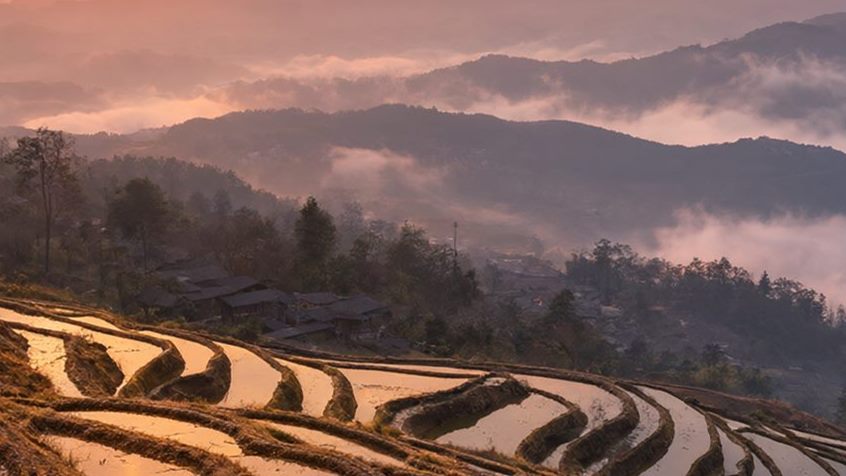
South-west. Yunnan is dry from October, and the Hani terraces turn gold before the harvest in September and are cut by early October. Sichuan is mild and green, Chengdu is at its most livable, and the mountains behind it are clear enough to see.
West. September and early October are the best weeks of the year on the Silk Road: Dunhuang at 25°C, the dunes at sunset without the summer heat, and the Mogao caves bookable. Tibet is clear and cold, with the monsoon gone and the skies at their deepest.
Autumn is not a mood in China. It is a measurable improvement in visibility, humidity and walking temperature, and it lasts about six weeks. Field desk · a tower on the Jinshanling wall, October
The two holidays in the middle of it
Mid-Autumn falls on 25 September in 2026 and brings a three-day weekend, mooncakes, and a surge on nearby routes. National Day, 1–7 October, is the largest domestic travel event of the year after Spring Festival: hotel rates double or triple in scenic areas, trains sell out in minutes, and the Great Wall, the Forbidden City and Zhangjiajie operate at capacity.
The strategy is simple. Either travel before 25 September, or go somewhere the crowds do not: western Gansu, Qinghai, the Tibetan plateau, a county town in Yunnan. The week after National Day, from 8 October, is one of the quietest and best of the autumn, because the entire country has used its leave.
Booking an autumn trip
Trains open 15 days before departure at 08:00 Beijing time. For anything between 25 September and 8 October, that minute is the whole game; set an alarm.
Book the Wall and the Forbidden City around a weekday. Saturday in October at Badaling is a queue with a monument attached.
Pack for two seasons. A 22°C afternoon in Beijing is an 8°C night, and Lhasa in October is 18°C at noon and below freezing before midnight.
Questions travellers ask
- What is the best month to visit China?
- Late September to mid-October, for most of the country. The humidity has broken, the air is at its clearest in the north, Yunnan is dry and the mountains are walkable. Avoid 1–7 October, when the National Day holiday fills every train and doubles hotel rates; the week after is quiet.
- When do the leaves change on the Great Wall?
- The first ten days of October, in most years, at sections north of Beijing. Poplars and maples turn within a fortnight and the wind strips them by late October. Mid-October gives gold foliage with fewer crowds than the holiday week, and the light is at its best from 7:30 to 10:00.