Transport · Chengdu to Lhasa
By the ChinaTravel.fly field desk 6 min read Updated Nov 2026
- Fastest
- 2 h 10flight to Gonggar, plus an hour down the valley
- Cheapest
- ≈¥620hard sleeper on the Z-train
- Stations
- Chengdu – Lhasathe train leaves the old Chengdu station, not East
- Presale
- Permit first15-day rail window; flights 4–8 weeks out
- Luggage
- Under the bunk28 inches fits; the corridor does not
Lhasa is the only provincial capital in China you cannot reach on a whim. The permit comes first, the transport second, and the altitude decides how the first two days go. Chengdu is the usual launch pad, because it has the most flights and the only direct train from the west.
The train is the Z-series sleeper, every other day, with oxygen piped into the carriages and a dining car that runs out of everything by the second morning. The flights leave in the morning, because the afternoon winds over the plateau make the approach unpleasant.
The stations and the last mile
The train leaves from Chengdu station, the old one in the north of the city, not Chengdu East; Metro Lines 1 and 7 reach it. Lhasa station is 8 kilometres south-west of the Barkhor, a ¥30–40 taxi or a bus, and your permit is checked before you reach the platform.
The flight leaves from Shuangliu or Tianfu, both 40–60 minutes from central Chengdu by metro, and lands at Gonggar, 60 kilometres and about an hour down the valley from Lhasa. Allow two hours from landing to hotel, more if the permit queue is long.
Booking on 12306 with a passport
Permit first, then transport. Foreign travellers need a Tibet Tourism Bureau permit arranged through a licensed agency, with a guide for the whole stay, and the permit number is what the airline and the railway want. Book the flight or the train only after the agency confirms it.
The train runs every other day and the sleeping berths go early, so the date is effectively fixed once you book. Flights are easier to change and more expensive close in. Fares swing: ¥900–2,000 in the air, ¥620–700 for a hard sleeper, ¥950–1,050 for a soft one.
The options, priced
| Option | Duration | Price | Best for |
|---|---|---|---|
| Z-series sleeper | 36 h | ¥620–700 hard, ¥950–1,050 soft | Time, and the plateau at dawn |
| Flight, Chengdu to Lhasa | 2 h 10–2 h 30 | ¥900–2,000 | A short trip, or a fixed permit date |
| Flight to Nyingchi, then drive | 2 h plus 4–5 h | ¥900–1,600 | A lower first night at 3,000 m |
| Train to Xining, then the plateau line | 10 h plus 21 h | ≈¥800 total | Staging at 2,260 m for a night |
The train's advantage is two nights in a bunk and a gradual climb; its disadvantage is that it crosses the Tanggula pass at 5,072 metres in the middle of the night, which is not acclimatisation in any useful sense. The flight's advantage is two extra days in Tibet. Its disadvantage is arriving at 3,650 metres with no time to notice.
What to do with a suitcase
On the train, the berth has a shelf above the door and space under the lower bunk for a 28-inch case; the corridor is narrow and the case should live under the bunk, not in it. On the flight, domestic rules apply: 20 kg checked on full-service carriers, power bank in the cabin.
Either way, pack for cold nights and strong sun, and keep the first day's clothes at the top. Altitude makes you slow, and a bag you have to unpack on arrival is a bag you will resent by the second staircase.
Thirty-six hours does not acclimatise you. It gives you two nights in a bunk and a view of the plateau at dawn, which is a different thing. Field desk · Tanggula, 02:40
The mistake people make
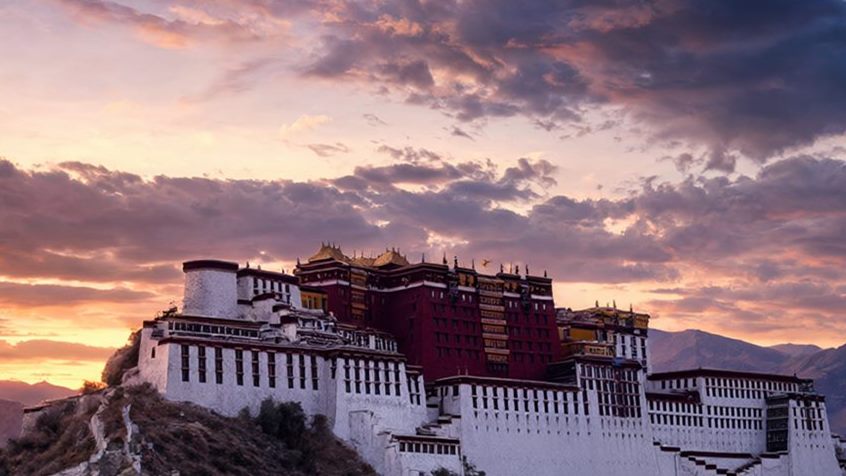
Flying in and climbing the Potala on the first afternoon. The palace is 300 steps at 3,700 metres, and the headache that starts at the top will cost you the next day. Give Lhasa a flat first day: the Barkhor, a teahouse, an early bed.
The second mistake is booking the train for the scenery and the acclimatisation, then discovering the permit starts the day after the train leaves. The train is every other day, the permit has dates, and the order matters more than the price.
Questions travellers ask
- Is the train or flight better?
- Fly if you have a week or less, and give Lhasa two nights before going higher. Take the train if you have time, want the plateau approach and can sleep in a bunk. Neither route prevents altitude sickness, and the first night at 3,650 metres is the same either way.
- How early should I arrive?
- Ninety minutes at Chengdu station for the Lhasa train, because the permit and passport are checked twice before boarding, and the gate closes five minutes before. At the airport, two hours: Tibet flights check permits at a separate desk before security.